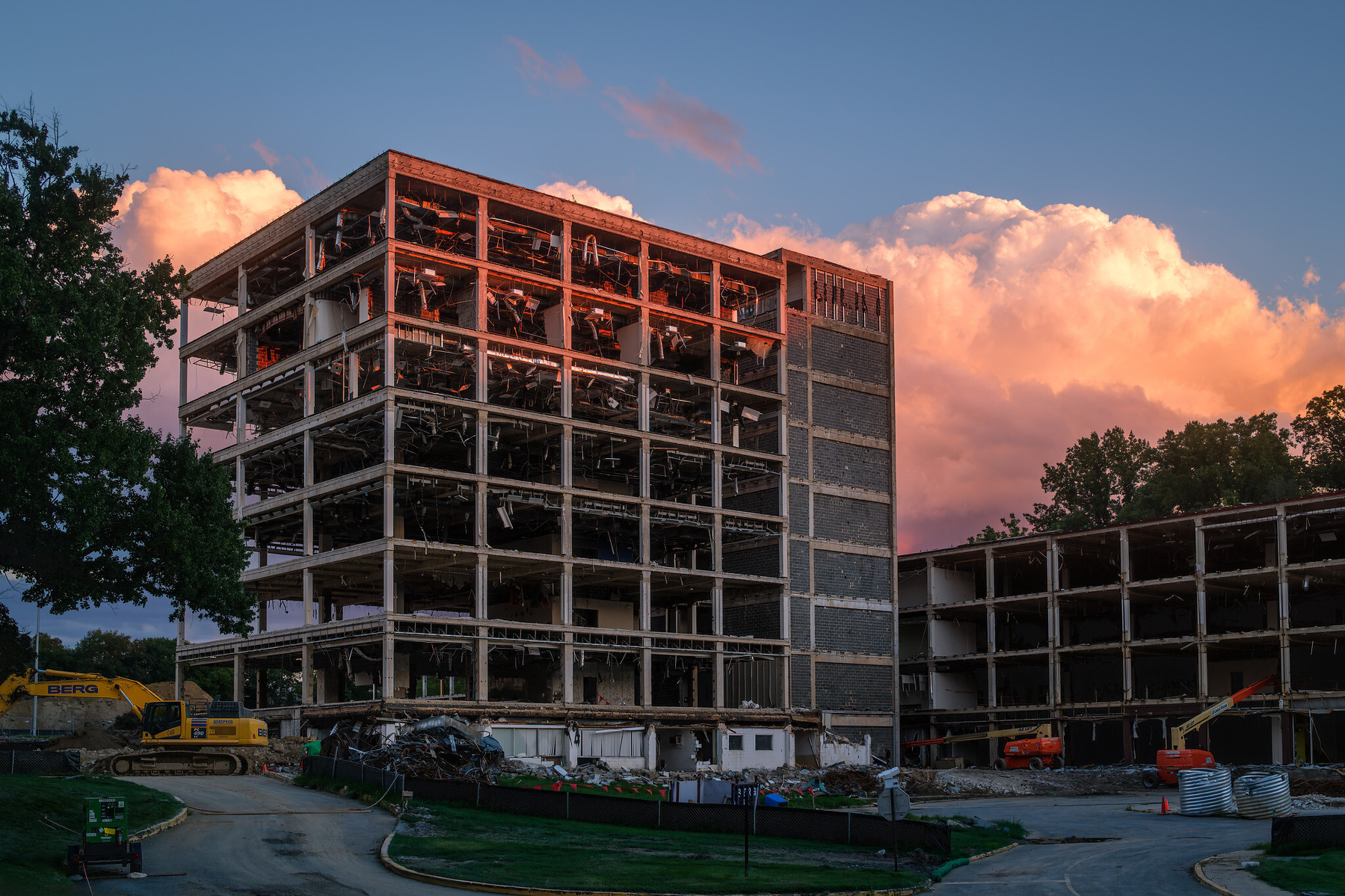
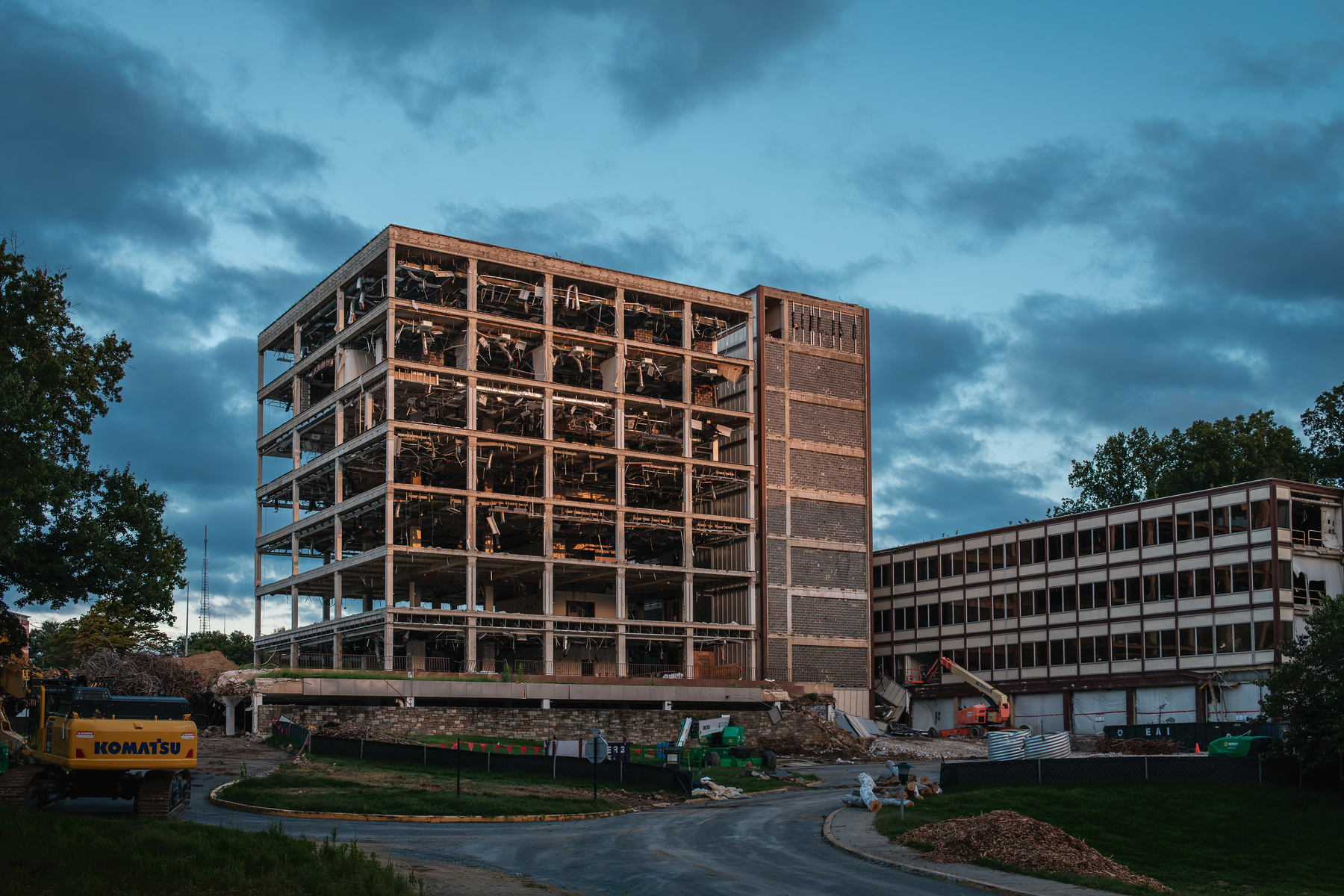
The Demolition of Geico Headquaters, Chevy Chase, Maryland
For nearly eight decades, GEICO anchored the corporate fabric of the D.C.–Maryland suburbs, but the stripped concrete skeleton in this sunset shot marks the final chapter for one of Montgomery County’s most recognizable mid-century landmarks.
A Mid-Century Corporate Landmark
- Pioneering Campus: Opened in 1959 and designed by prominent architect Vincent Kling, the 26-acre campus at 5260 Western Avenue set a new standard for post-war suburban office architecture. Kling’s International Style design paired low-slung pavilions and crisp office towers with generous green space, terraced parking, and distinct mid-century fixtures.
- The Buffett Connection: The complex expanded rapidly through the 1960s to support GEICO’s explosive growth—fueled early on by Benjamin Graham’s 1948 investment, which famously drew a young Warren Buffett to the company and paved the way for Berkshire Hathaway’s eventual full ownership.
Significance to Chevy Chase & Montgomery County
- Economic Anchor: For generations, the complex served as one of Montgomery County’s single largest private employers, bringing thousands of daytime workers to the border of Chevy Chase and Friendship Heights and pouring vital tax revenue into local services.
- Neighborhood Threshold: Sitting directly along Western Avenue, the sprawling campus acted as a peaceful, park-like transition zone between the bustling transit corridor of Wisconsin Avenue and the quiet residential neighborhoods of Chevy Chase and Brookdale.
The Next Chapter With GEICO relocating its headquarters to downtown Bethesda, the site is clearing the way for Friendship Commons. The massive redevelopment will replace the car-centric corporate fortress with a pedestrian-oriented, mixed-use community featuring hundreds of new housing units, retail, and preserved public green space.
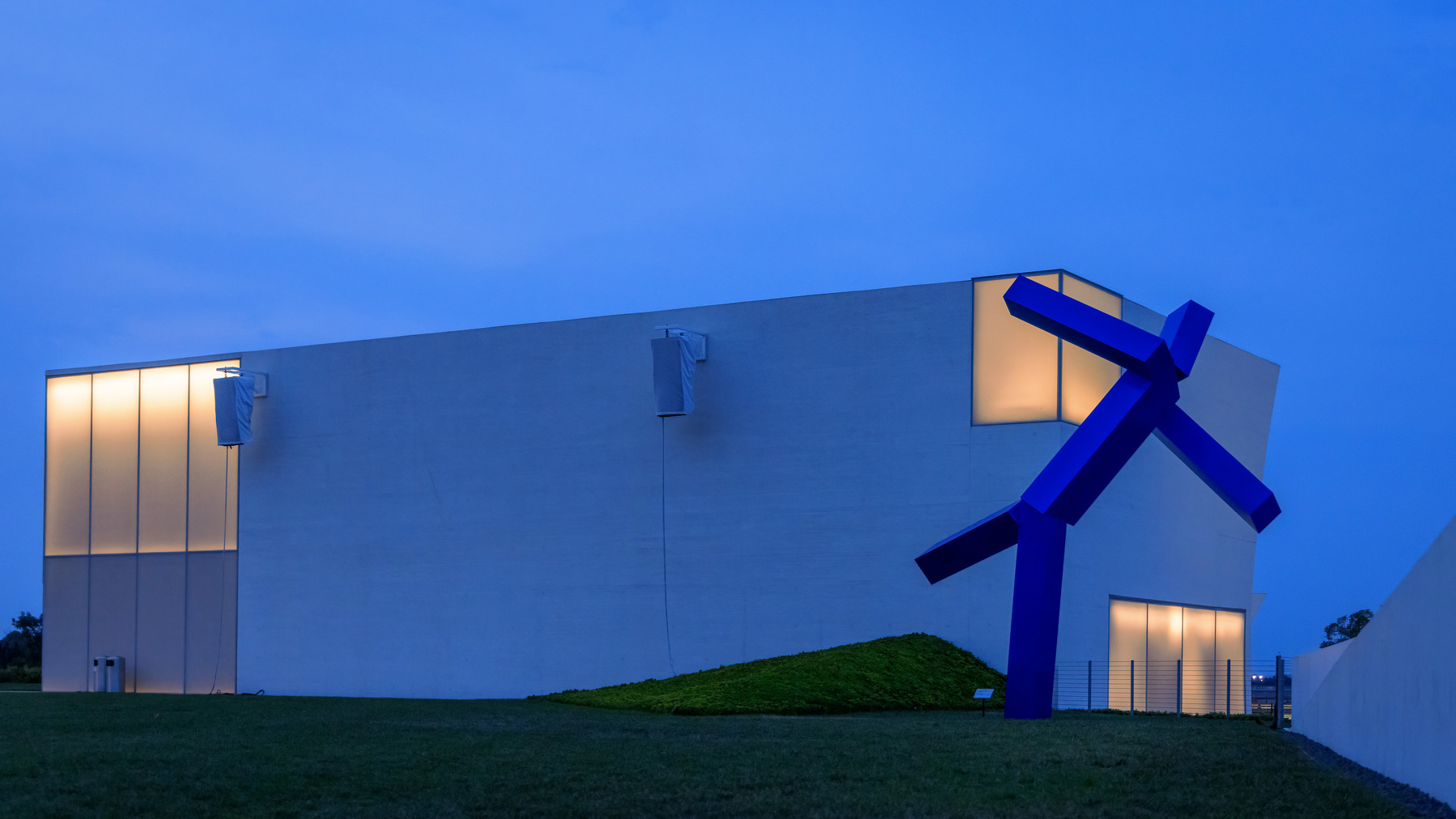
Remembering “Blue,” by Joel Shapiro
The sculpture was deinstalled on September 2, 2026. I made this photo in 2021.
Good news: The Washington Post reports that Philanthropist David Rubenstein purchased the sculpture ‘Blue’ by Joel Shapiro, removed from the Kennedy Center, for over $2 million. The piece will eventually be displayed in the National Gallery of Art’s Sculpture Garden. The removal followed President Trump’s directive for a new art collection. Rubenstein, a major donor to Washington’s cultural institutions, bought ‘Blue’ from the Joel Shapiro and Ellen Phelan Foundation.
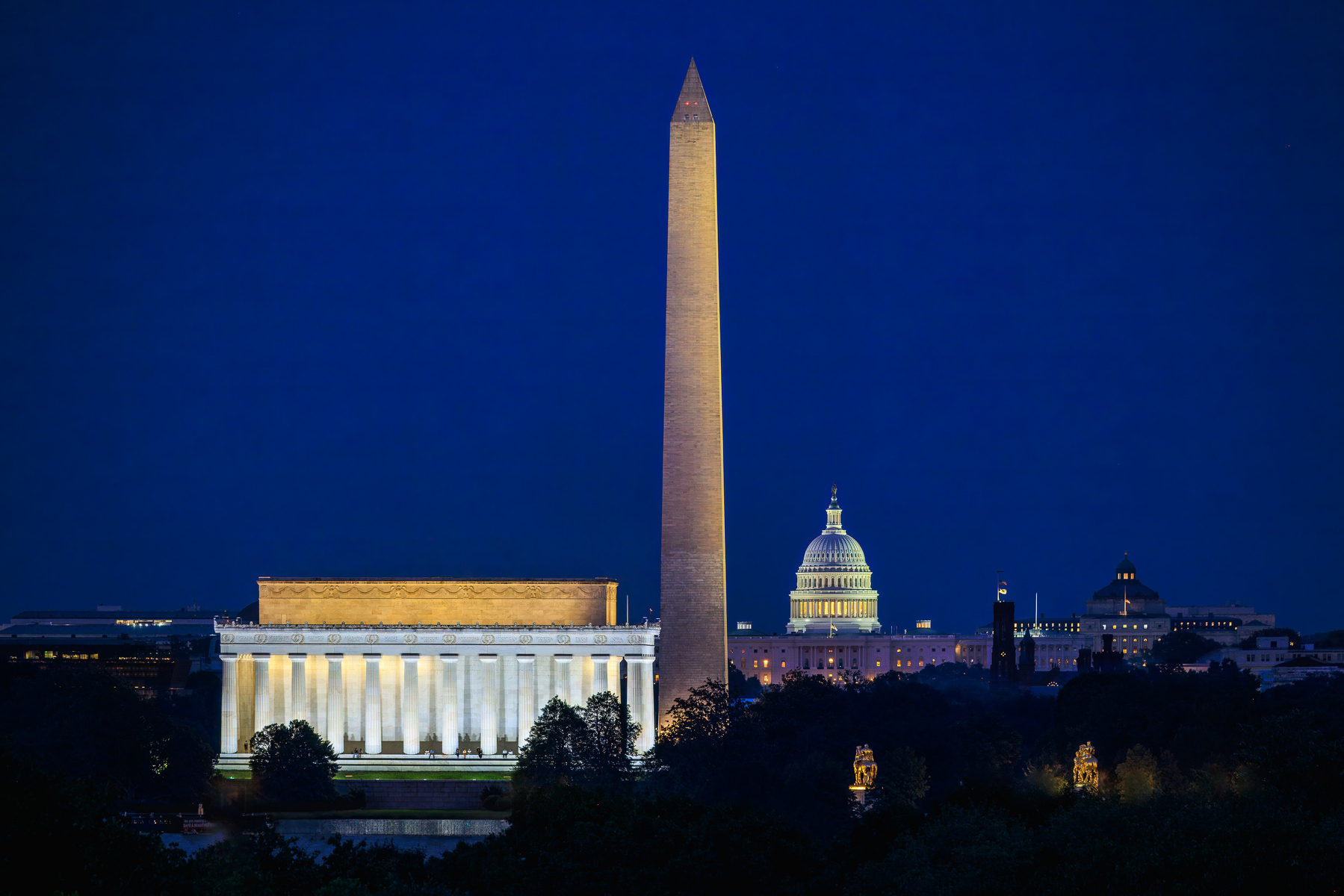
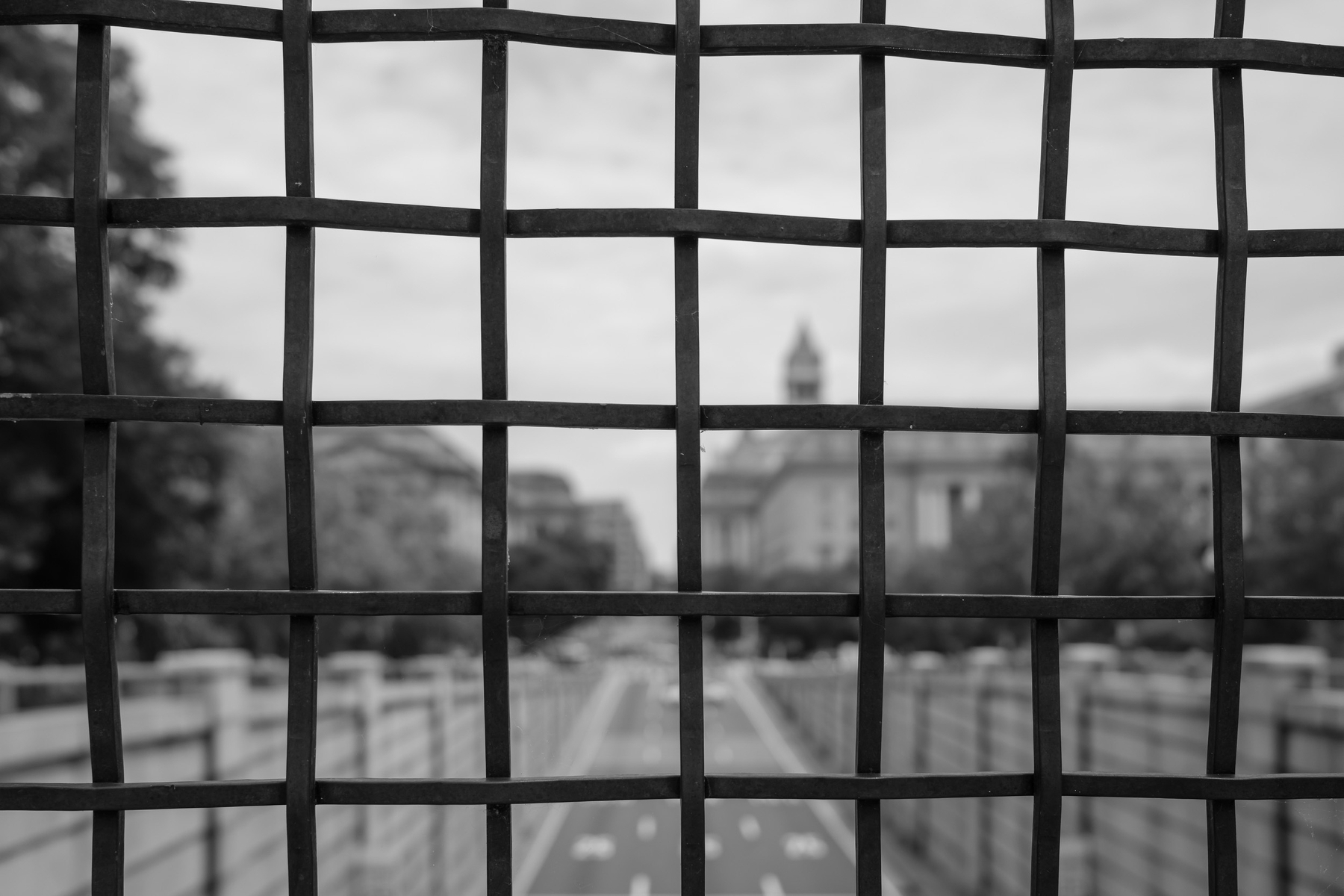
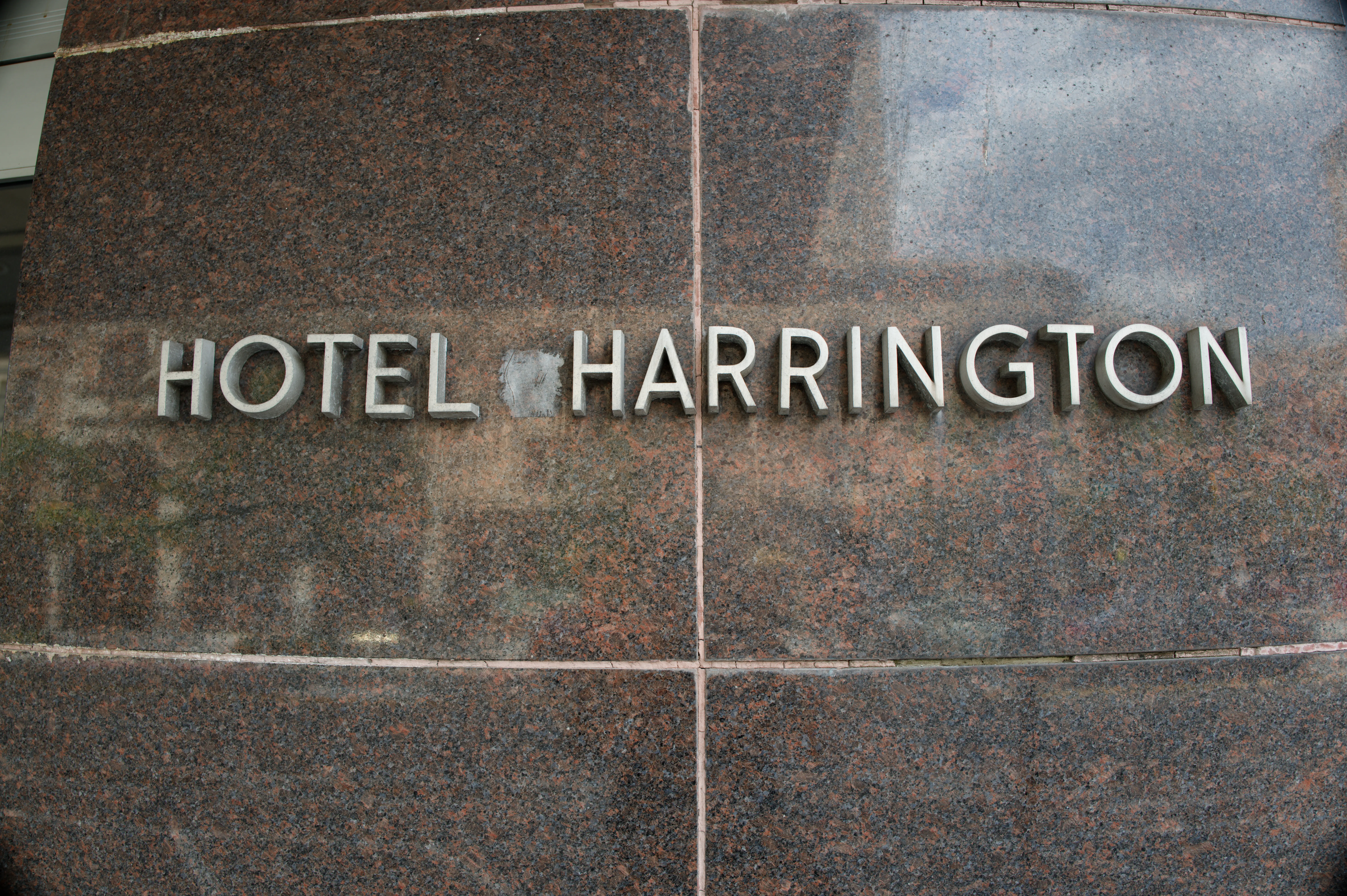
A Peek Under the Hood of Modern Optical Design
This is an uncorrected raw frame from the Leica Q3 (28mm f/1.7), processed in DxO PhotoLab with all optical and geometry modules turned off.
Modern fast wide-angles are increasingly engineered as a partnership between glass and software:
- The Raw Geometry: Natively, the lens produces roughly 6.5% to 7% barrel distortion and projects a wider field of view (around 25–26mm) across the sensor.
- The Software Pass: The embedded profile flattens the distortion, eliminates the mechanical vignetting in the corners, and crops the frame to its final 28mm perspective.
Most raw converters automatically apply this correction without giving you an option to disable it. It allows a fast f/1.7 optic to remain remarkably compact, relying on mathematical profiles to deliver the final rectilinear image.
Even elite manufacturers of expensive cameras do this.
The Demolition of Geico HQ, Chevy Chase, Maryland
August 22, 2026. The demolition and the construction of a mixed use develoment is a major long-term project.

Oh, It’s You, Welcome! (Seward Johnson Statue), Friendship Heights Village, Maryland, 2026
This painted bronze figure, officially titled “Oh, It’s You, Welcome!” by artist J. Seward Johnson Jr., has been a iconic resident of the park since its dedication. This portrait captures the stunning hyper-realistic detail, with the guard’s intense gaze and wide smile, made even more evocative by the droplets of rain or morning dew clinging to his face and the brim of his hat. This piece serves as a memorial and tribute to Colonel James S. McAuliffe Sr., a former Montgomery County Police Chief. It’s always a surprise to see how real his presence feels.

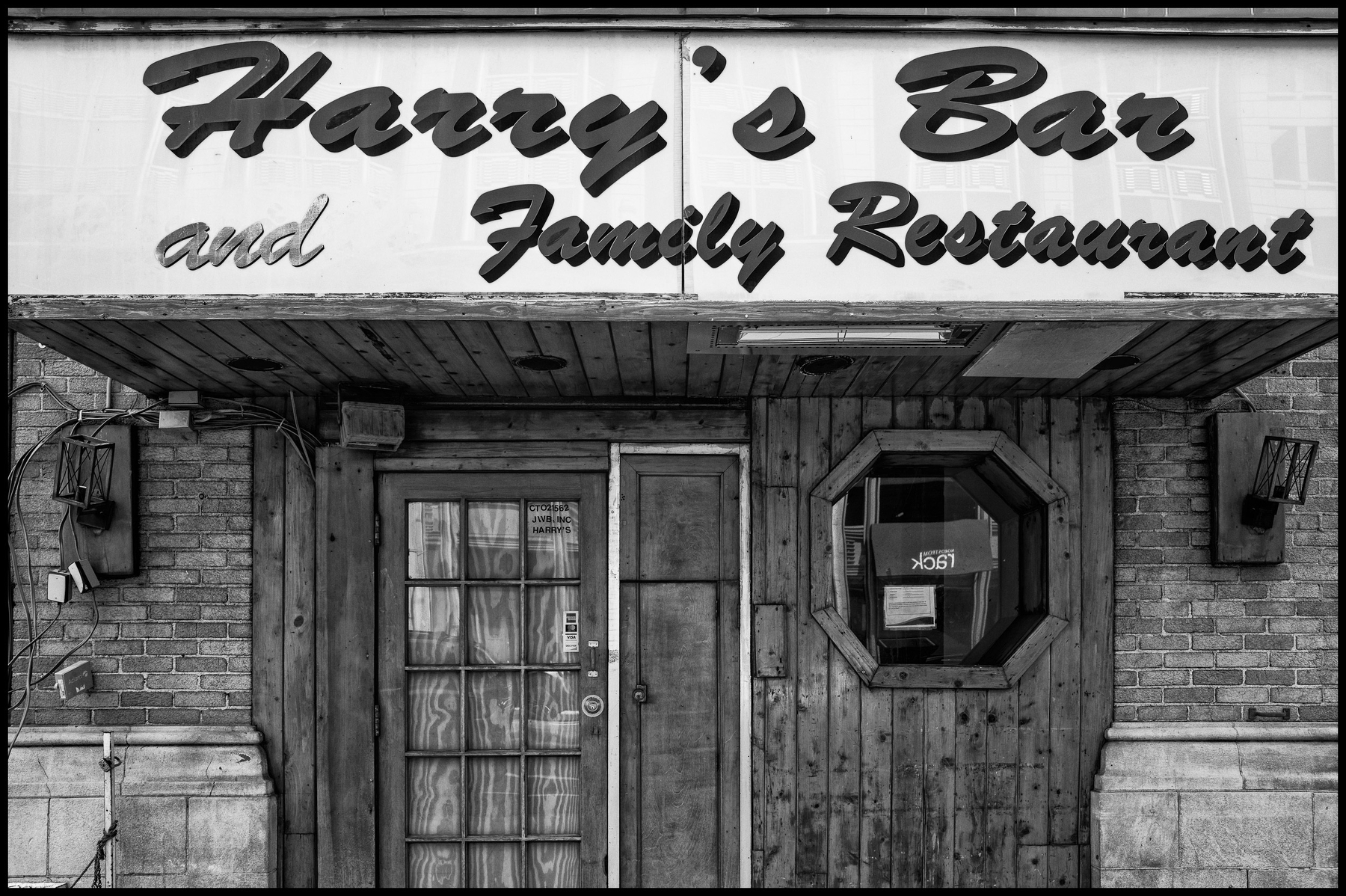
Harry’s Bar, After Closing — Hotel Harrington, Washington, D.C., 2026
The shuttered entrance of Harry’s Bar and Family Restaurant, once a longtime street-level fixture of the historic Hotel Harrington in downtown Washington, D.C.
Harry’s opened in 1993 and became part of the hotel’s complicated local lore: a dive bar, tourist stop, neighborhood oddity, and, in its later years, a nationally noticed gathering place during the political unrest surrounding the 2020 election. The Hotel Harrington, opened in 1914 and long billed as Washington’s oldest continuously operating hotel, closed on December 12, 2023, ending a 109-year run. Harry’s stopped serving shortly before the hotel’s final closure.
Taylor Fritz | DC Open 2026
World No. 10 Taylor Fritz locks his eyes onto the ball just a split-second before string bed contact during his opening round match at the 2026 DC Open.
Fritz, seeded No. 3 in the tournament, kicked off his campaign on July 27, 2026, with a sharp, straight-sets victory over Belgium’s Zizou Bergs, taking the match 6-3, 6-4 on Rock Creek Park’s Stadium Court.

Emma Navarro | 2026 DC Open
Emma Navarro returns a backhand during her first-round match against Sofia Kenin at the Mubadala DC Open in Washington, D.C., on July 27, 2026. Seeded No. 8 in the tournament, Navarro won the match 6-0, 7-5.

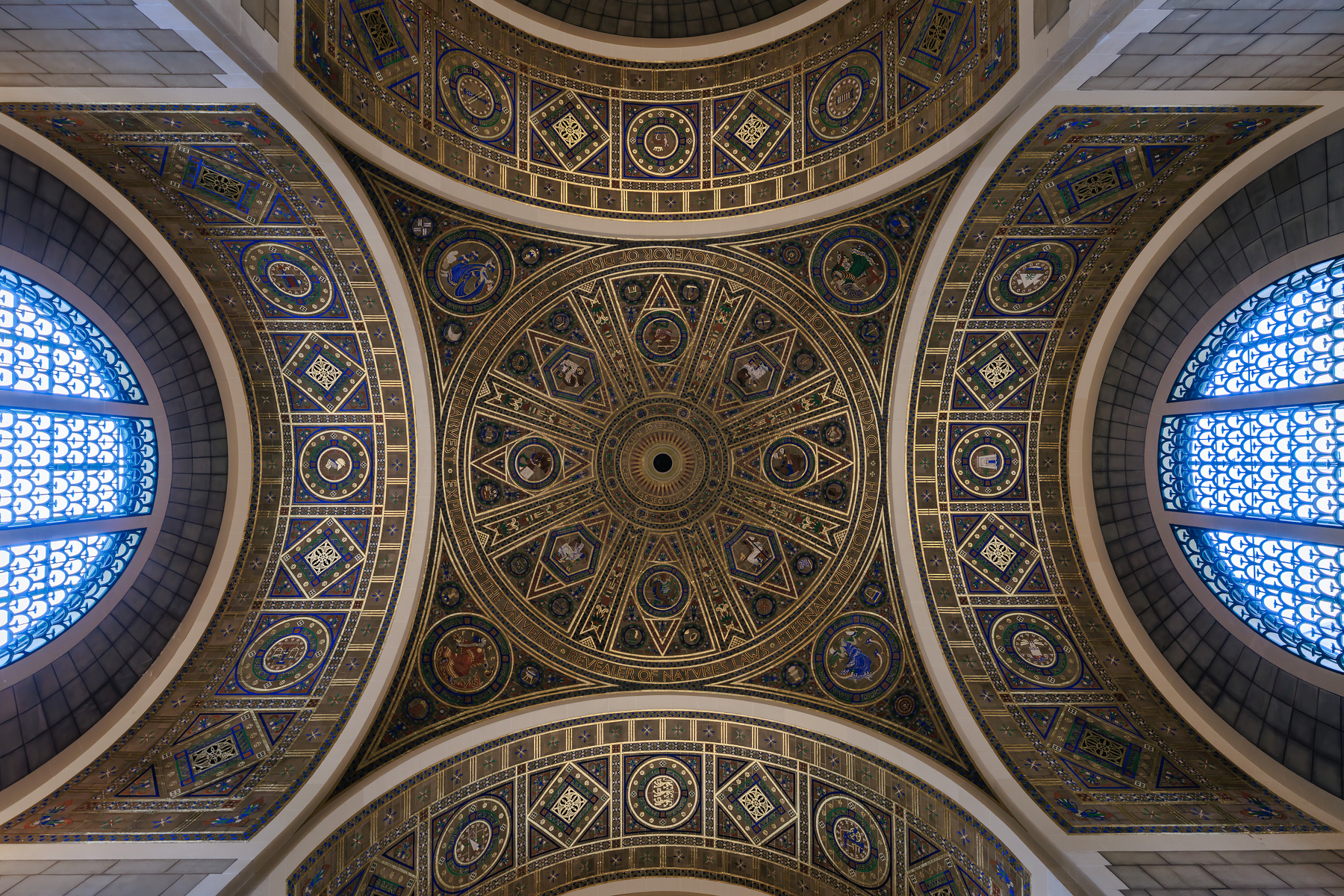
Temple to Science: The Great Hall Dome, National Academy of Sciences, Washington, DC, 2026
The centerpiece of the National Academy of Sciences building in Washington, D.C., the Great Hall was designed by the esteemed architect Bertram Grosvenor Goodhue and dedicated in April 1924. This stunning interior dome is the hall’s signature feature, intended to evoke the grandeur of a classical Byzantine cathedral repurposed for the exploration of the natural world.
The intricate art in the dome was executed by the artist Hildreth Meière using Guastavino structural tile, which provided both structural integrity and a shimmering surface for her intricate mosaics. The Great Hall and its dome function as a visual encyclopedia. At the center is the Sun, surrounded by astrological signs and figures representing the four classical elements. A significant detail is the bronze text encircling the dome, which reads: “TO SCIENCE, PILOT OF INDUSTRY, CONQUEROR OF DISEASE, MULTIPLIER OF THE HARVEST, EXPLORER OF THE UNIVERSE, REVEALER OF NATURE’S LAWS, ETERNAL GUIDE TO TRUTH.”
The smaller, blue stained-glass windows depicted in the image are designed to give the illusion of open sky, reinforcing the concept of the hall as an open-air observatory.
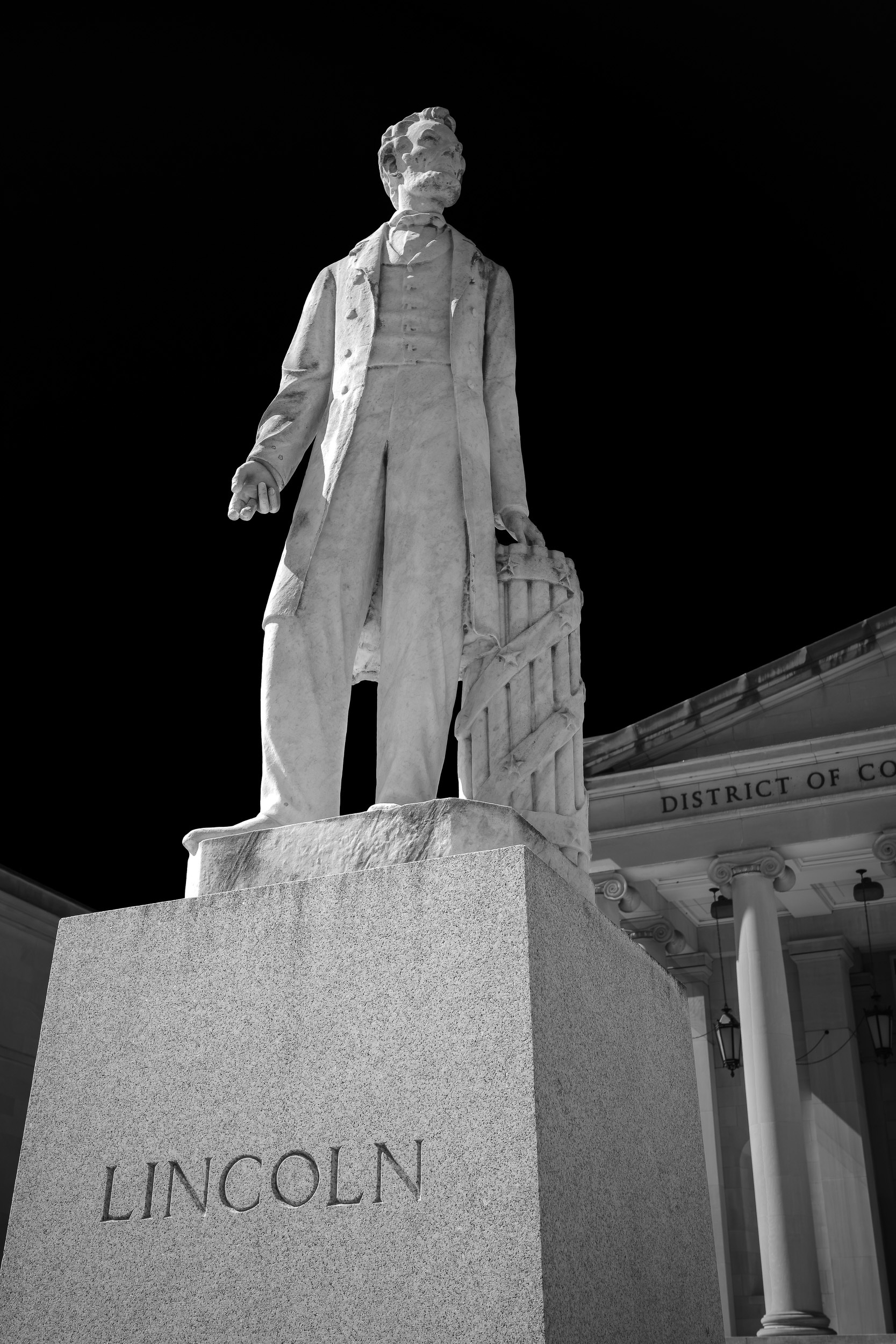
First in Union: The 1868 Lincoln Statue at Judiciary Square
Standing outside the Historic Courthouse (now the D.C. Court of Appeals) in Judiciary Square, this marble figure of Abraham Lincoln is the nation’s oldest extant public monument dedicated to the 16th president.
Unveiled on April 15, 1868—the third anniversary of Lincoln’s assassination—it predates Daniel Chester French’s famous seated statue at the Lincoln Memorial by 54 years. The sculptor, Irish-American artist Lot Flannery, had known Lincoln personally and was actually in the audience at Ford’s Theatre on the night of the shooting.
Flannery portrayed Lincoln in classic oratorical posture as a statesman and lawyer, his left hand resting on a fasces symbolizing the preservation of the Union. Originally erected on a high column to place the president safely above reach, it was moved to this lower granite pedestal in 1923 following courthouse expansions.
Flannery’s statue was funded largely by grassroots donations from local Washington citizens shortly after the assassination. It represents a city’s immediate, localized grief for a president they had seen walking their streets just years before.
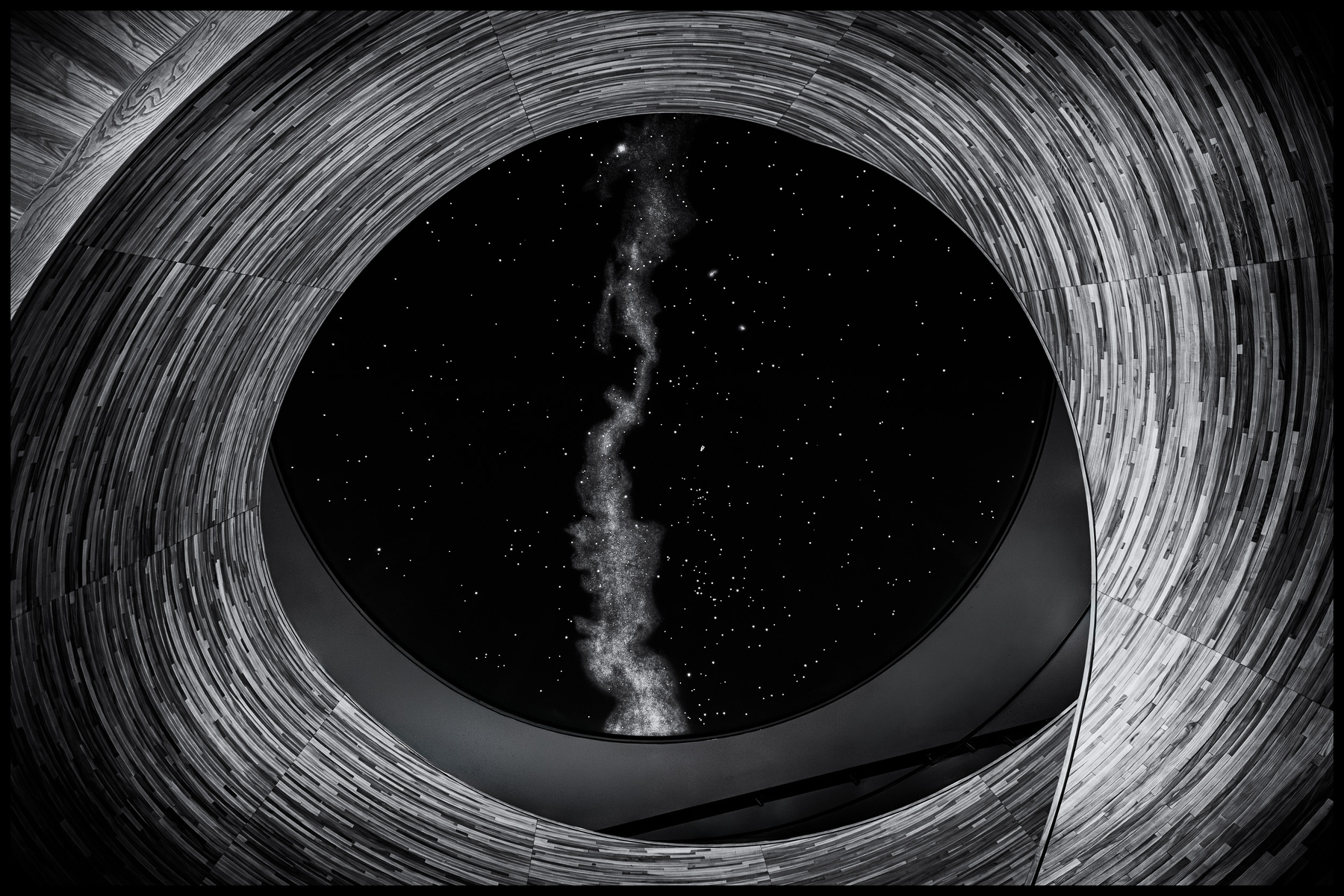
Window to the Cosmos
Looking up through the circular ceiling of the newly opened National Geographic Museum of Exploration in Washington, D.C.
The Reality of the Infinite Web
There is a disconnect between the sheer volume of writing published online and who actually sees it. If you have ever felt like your personal blog is a quiet, isolated corner of the internet, the data shows you are in very good company.
Across the estimated 600 million blogs that exist globally, industry tracking indicates that fewer than 10% of all blogs generate consistent organic traffic. We tend to see the massive success stories anchoring our feeds, but the vast majority of publishing happens in near-total anonymity.
To make the scale of this even clearer, data from a massive index study by the SEO authority Ahrefs reveals a stark threshold for independent domains:
- When you look strictly at websites categorized as blogs, an astonishing 99.93% of blog sites receive fewer than 1,000 visitors per month.
- Only a microscopic 0.07% ever cross that 1,000-visitor line.
You can explore the broader study on how these search dynamics function directly via the Ahrefs Blog.
A Shift in Perspective
For a personal project or an independent portfolio, this isn’t a failure—it’s a clarification of purpose. The internet’s search ecosystem is structured like a winner-take-all game optimized for massive media farms, corporate backlinks, and algorithmic boxes.
When you stop writing for search engines, you get to write for the exact group of people you want in your space. A tiny, intentional audience who types your URL in directly or follows your RSS feed is infinitely more valuable than a thousand accidental clicks from Google anyway.
Why Write?
This post gets at something I’ve never quite been able to say:
When I think about what I wish to accomplish if I knew I was going to die, apart from spending time with my loved ones I think only writing is left. It is a way of emptying myself I guess, a way of sublimating my sad existence. I wouldn’t pretend that my writing is useful, but at least it will be a window into an interior world that doesn’t exist anywhere else.
Is more visibility always good?
Blogs don’t have the important place on the internet today that they once had; I know that perfectly well, and I don’t care. Those who are genuinely interested in what I have to say can find me here on the open web.
A Reference Guide to Holocaust Resources
I put this list together for myself over the years, as a place to keep track of the archives, timelines, and books I trust most. As the child of Holocaust survivors, I’ve spent a lot of time looking for source material I can rely on, and I’m sharing it here in case it’s useful to someone else doing the same.
As the United States Holocaust Memorial Museum explains, the Holocaust was the systematic, state-sponsored murder of approximately six million Jews by Nazi Germany and its collaborators. The Nazis, who took power in Germany in January 1933, considered Jews a racial threat to be eliminated. In 1933, Europe’s Jewish population stood at over nine million; by 1945, nearly two out of every three European Jews had been killed. Other victims of Nazi persecution included an estimated 200,000 Roma, and at least 200,000 disabled patients murdered under the Nazi euthanasia program.
Curated Holocaust Archives & Libraries
- U.S. Holocaust Memorial Museum, including its Holocaust Encyclopedia
- Yad Vashem
- USC Shoah Foundation
- Arolsen Archives – International Center on Nazi Persecution
- The Wiener Holocaust Library
- Yale’s Fortunoff Video Archive for Holocaust Testimonies – more than 4,400 testimonies comprising 12,000 recorded hours of videotape
- From Numbers to Names – explore Holocaust photo and video archives through AI
- LastSeen Image Atlas – images of the Nazi deportations
- The World Society of Częstochowa Jews and Their Descendants
- Jewish Records Indexing – Poland – safeguards the evidence of the 1,000-year Jewish presence in current and former Polish territories
Holocaust Remembrance Days
- Yom Hashoah, designated by Israel, marking the anniversary of the Warsaw Ghetto uprising
- International Holocaust Remembrance Day, designated by the United Nations, marking the liberation of Auschwitz
Timelines
- Timeline of Events – U.S. Holocaust Memorial Museum
- Timeline – Yad Vashem
- Timeline of the Holocaust: 1933–1945 – Museum of Tolerance
- Events in the History of the Holocaust – The Wiener Holocaust Library
Books
- The Rise and Fall of the Third Reich: A History of Nazi Germany by William Shirer
- Nazi Germany and the Jews, Volume 1: The Years of Persecution, 1933–1939 by Saul Friedländer
- Nazi Germany and the Jews, Volume 2: The Years of Extermination, 1939–1945 by Saul Friedländer
- KL: A History of the Nazi Concentration Camps by Nikolaus Wachsmann
- The Holocaust: An Unfinished History by Dan Stone – reviewed in the New York Times
Last updated: June 16, 2026