Judaism
- U.S. Holocaust Memorial Museum, including its Holocaust Encyclopedia
- Yad Vashem
- USC Shoah Foundation
- Arolsen Archives – International Center on Nazi Persecution
- The Wiener Holocaust Library
- Yale’s Fortunoff Video Archive for Holocaust Testimonies – more than 4,400 testimonies comprising 12,000 recorded hours of videotape
- From Numbers to Names – explore Holocaust photo and video archives through AI
- LastSeen Image Atlas – images of the Nazi deportations
- The World Society of Częstochowa Jews and Their Descendants
- Jewish Records Indexing – Poland – safeguards the evidence of the 1,000-year Jewish presence in current and former Polish territories
- Yom Hashoah, designated by Israel, marking the anniversary of the Warsaw Ghetto uprising
- International Holocaust Remembrance Day, designated by the United Nations, marking the liberation of Auschwitz
- Timeline of Events – U.S. Holocaust Memorial Museum
- Timeline – Yad Vashem
- Timeline of the Holocaust: 1933–1945 – Museum of Tolerance
- Events in the History of the Holocaust – The Wiener Holocaust Library
- The Rise and Fall of the Third Reich: A History of Nazi Germany by William Shirer
- Nazi Germany and the Jews, Volume 1: The Years of Persecution, 1933–1939 by Saul Friedländer
- Nazi Germany and the Jews, Volume 2: The Years of Extermination, 1939–1945 by Saul Friedländer
- KL: A History of the Nazi Concentration Camps by Nikolaus Wachsmann
- The Holocaust: An Unfinished History by Dan Stone – reviewed in the New York Times
A Reference Guide to Holocaust Resources
I put this list together for myself over the years, as a place to keep track of the archives, timelines, and books I trust most. As the child of Holocaust survivors, I’ve spent a lot of time looking for source material I can rely on, and I’m sharing it here in case it’s useful to someone else doing the same.
As the United States Holocaust Memorial Museum explains, the Holocaust was the systematic, state-sponsored murder of approximately six million Jews by Nazi Germany and its collaborators. The Nazis, who took power in Germany in January 1933, considered Jews a racial threat to be eliminated. In 1933, Europe’s Jewish population stood at over nine million; by 1945, nearly two out of every three European Jews had been killed. Other victims of Nazi persecution included an estimated 200,000 Roma, and at least 200,000 disabled patients murdered under the Nazi euthanasia program.
Curated Holocaust Archives & Libraries
Holocaust Remembrance Days
Timelines
Books
Last updated: June 16, 2026
Film: ‘The Art Dealer (L’antiquaire)’
The Art Dealer (L’antiquaire) is a beautiful 2015 French film about a young Parisian woman portrayed by Anna Sigalevitch. She’s searching for paintings stolen from her Jewish family during WWII.
Louis-Do de Lencquesaing who is in the hit French series Spiral does a nice job portraying the woman’s husband.
The cinema-photography is excellent and the slow uncovering of unflattering facts reveals what war brings out in human nature even among those not in power.
The Jewish Enclosure – Glasgow Necropolis
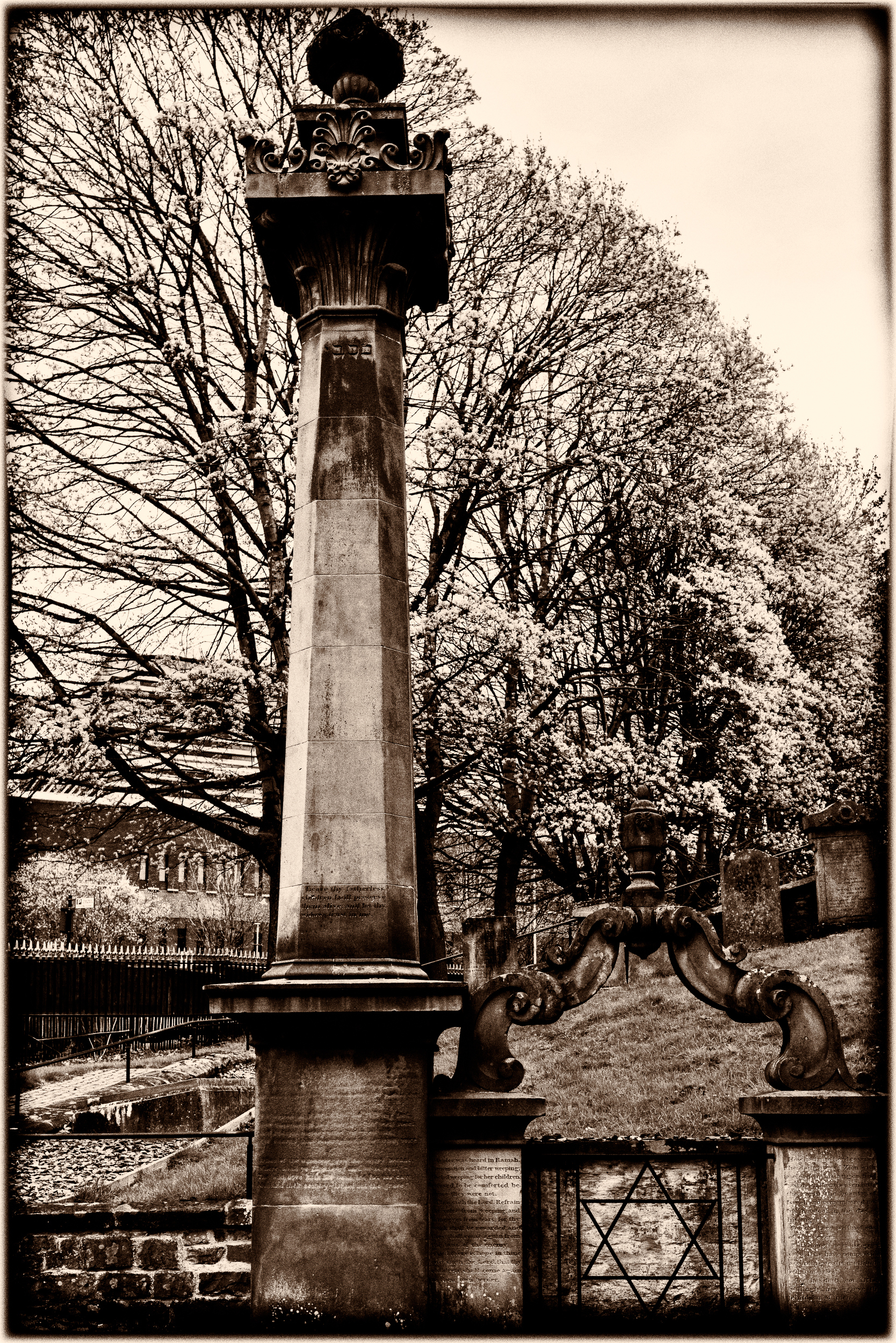
When traveling, I make it a point to seek out places of Jewish interest, and this quiet corner of Scotland holds a remarkable piece of history. This is the Jewish Enclosure at the Glasgow Necropolis. Acquired by the Jewish community in 1832, this small, walled section actually predates the official opening of the main Necropolis and served as the city’s first Jewish communal burial ground.
It contains 57 burials that took place over a brief period from 1832 until 1855. Because Jewish religious law forbids the burial of more than one person in a single grave, the small plot of land reached its capacity very quickly. As a result, it has not been in use since the 1850s. The prominent stone column, designed by architect John Bryce and modeled after Absalom’s Pillar in Jerusalem, stands watch over the ornate wrought-iron Star of David at the entrance.