Photography
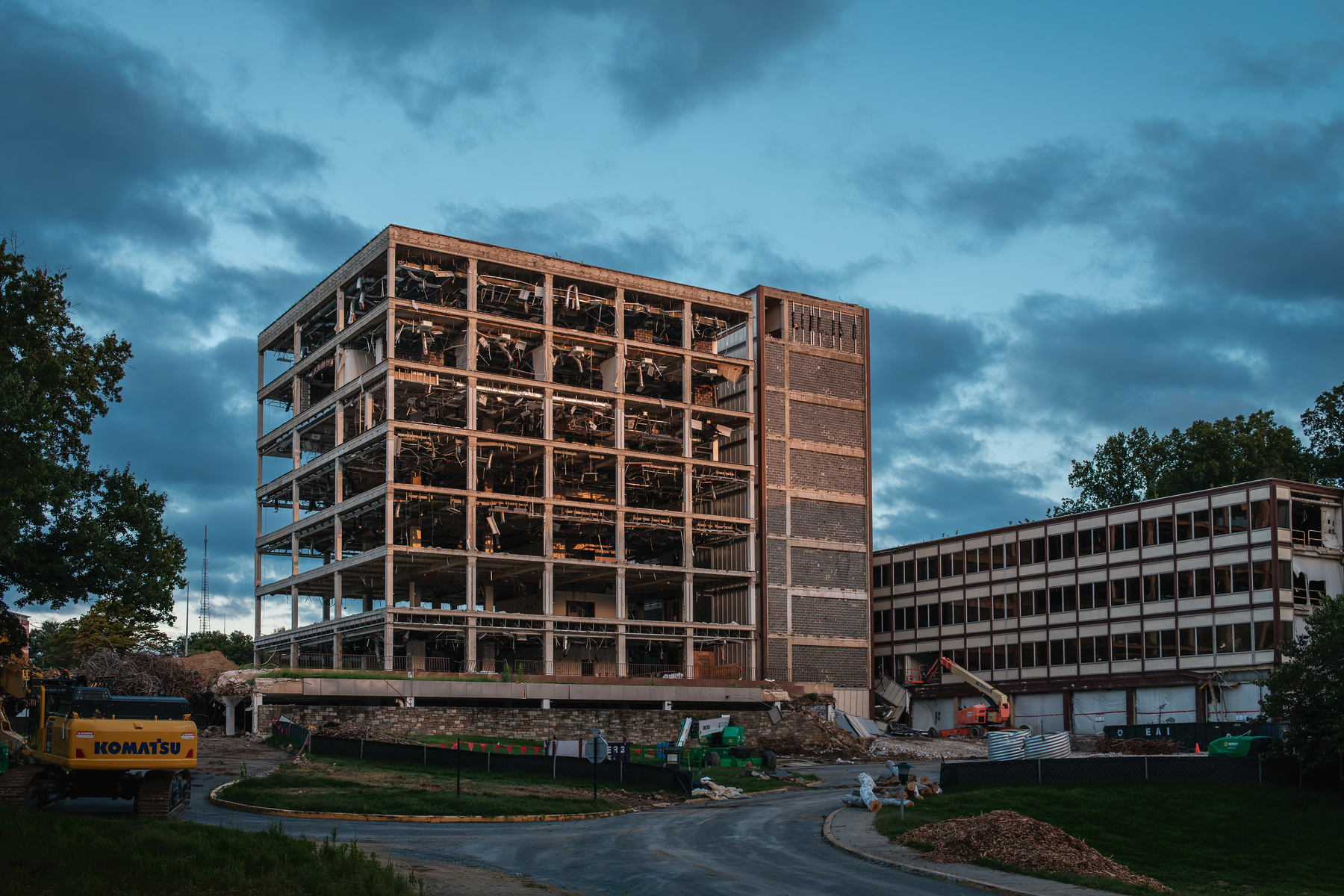
The Demolition of Geico HQ, Chevy Chase, Maryland
August 22, 2026. The demolition and the construction of a mixed use develoment is a major long-term project.
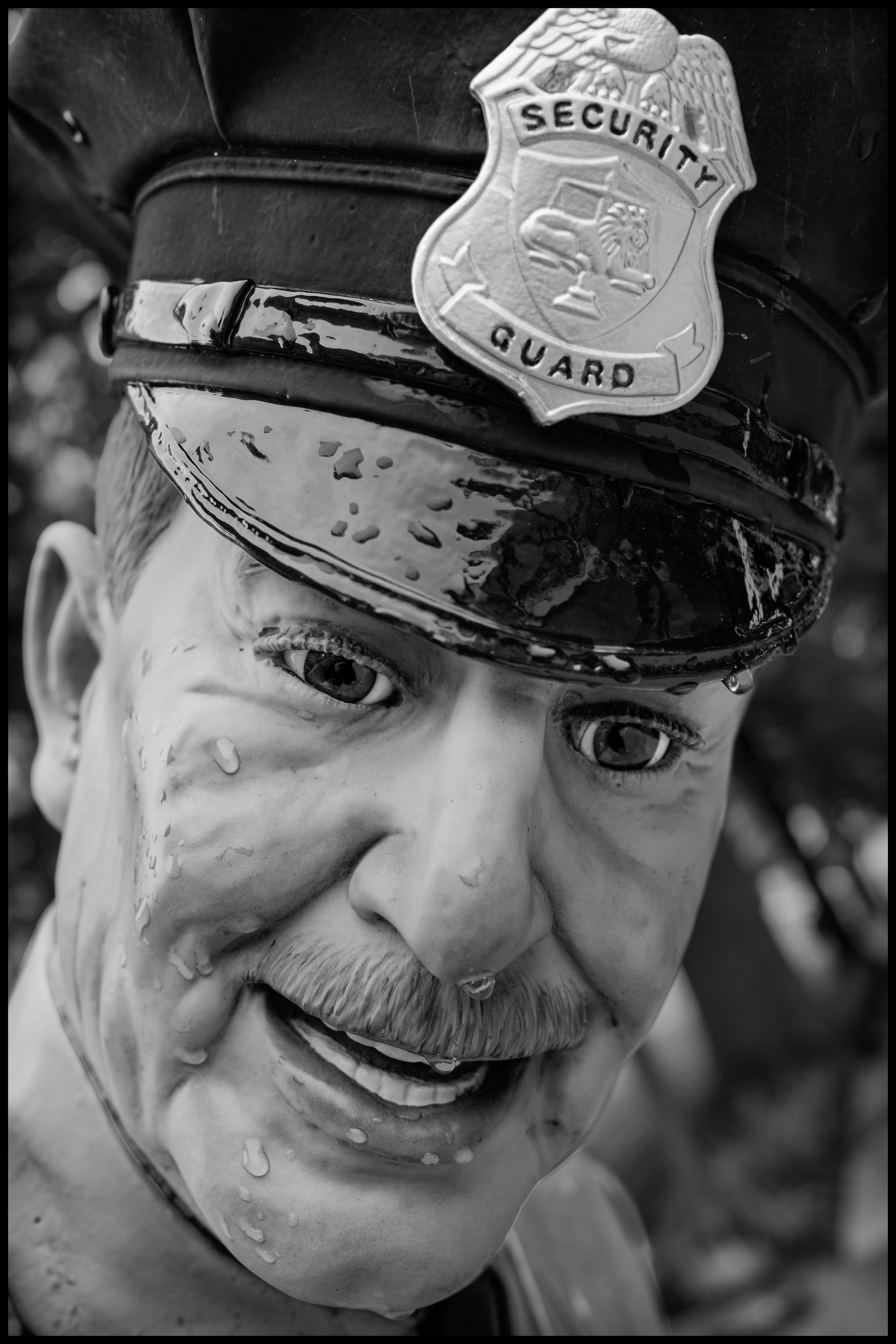
Oh, It’s You, Welcome! (Seward Johnson Statue), Friendship Heights Village, Maryland, 2026
This painted bronze figure, officially titled “Oh, It’s You, Welcome!” by artist J. Seward Johnson Jr., has been a iconic resident of the park since its dedication. This portrait captures the stunning hyper-realistic detail, with the guard’s intense gaze and wide smile, made even more evocative by the droplets of rain or morning dew clinging to his face and the brim of his hat. This piece serves as a memorial and tribute to Colonel James S. McAuliffe Sr., a former Montgomery County Police Chief. It’s always a surprise to see how real his presence feels.
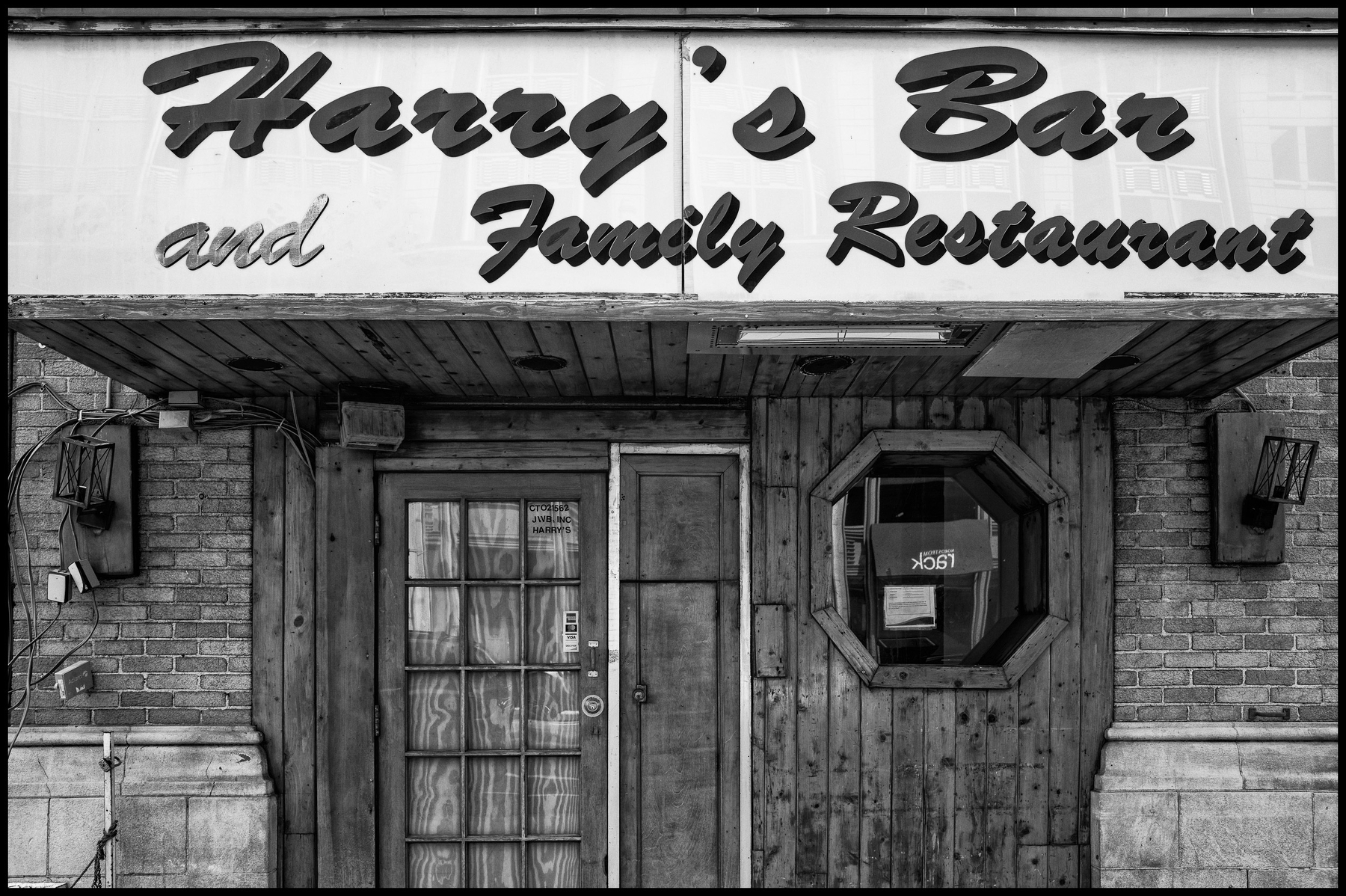
Harry’s Bar, After Closing — Hotel Harrington, Washington, D.C., 2026
The shuttered entrance of Harry’s Bar and Family Restaurant, once a longtime street-level fixture of the historic Hotel Harrington in downtown Washington, D.C.
Harry’s opened in 1993 and became part of the hotel’s complicated local lore: a dive bar, tourist stop, neighborhood oddity, and, in its later years, a nationally noticed gathering place during the political unrest surrounding the 2020 election. The Hotel Harrington, opened in 1914 and long billed as Washington’s oldest continuously operating hotel, closed on December 12, 2023, ending a 109-year run. Harry’s stopped serving shortly before the hotel’s final closure.
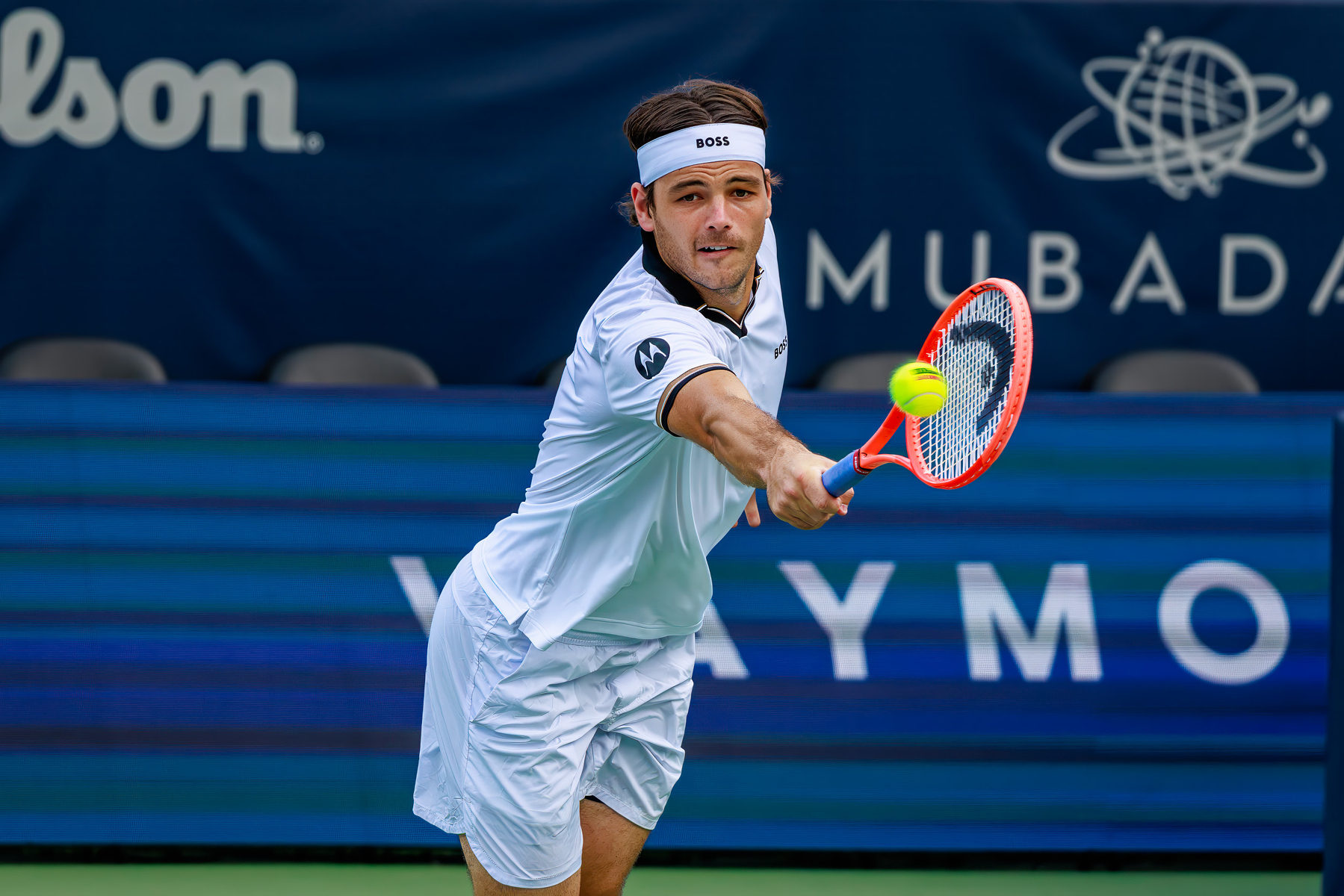
Taylor Fritz | DC Open 2026
World No. 10 Taylor Fritz locks his eyes onto the ball just a split-second before string bed contact during his opening round match at the 2026 DC Open.
Fritz, seeded No. 3 in the tournament, kicked off his campaign on July 27, 2026, with a sharp, straight-sets victory over Belgium’s Zizou Bergs, taking the match 6-3, 6-4 on Rock Creek Park’s Stadium Court.
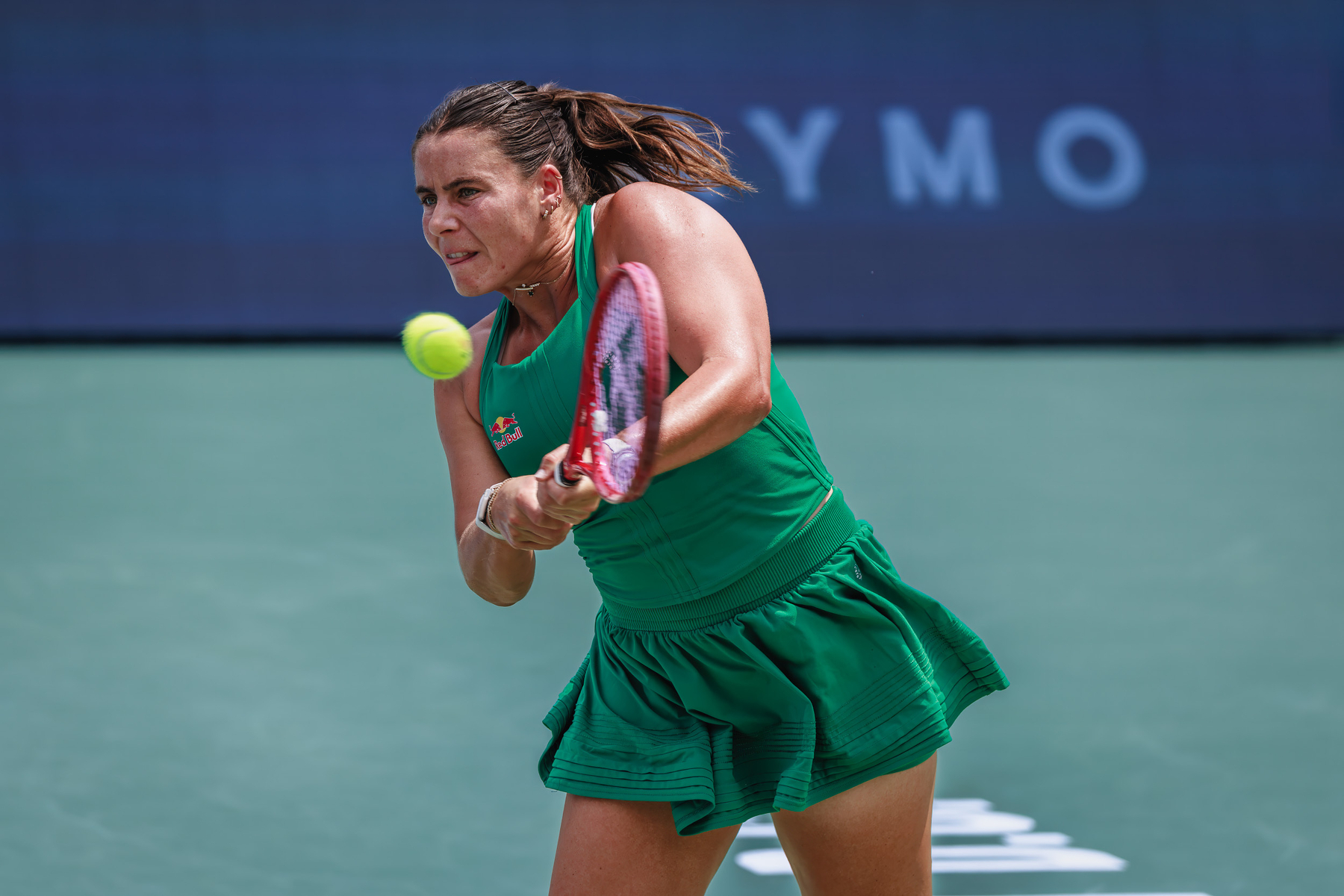
Emma Navarro | 2026 DC Open
Emma Navarro returns a backhand during her first-round match against Sofia Kenin at the Mubadala DC Open in Washington, D.C., on July 27, 2026. Seeded No. 8 in the tournament, Navarro won the match 6-0, 7-5.
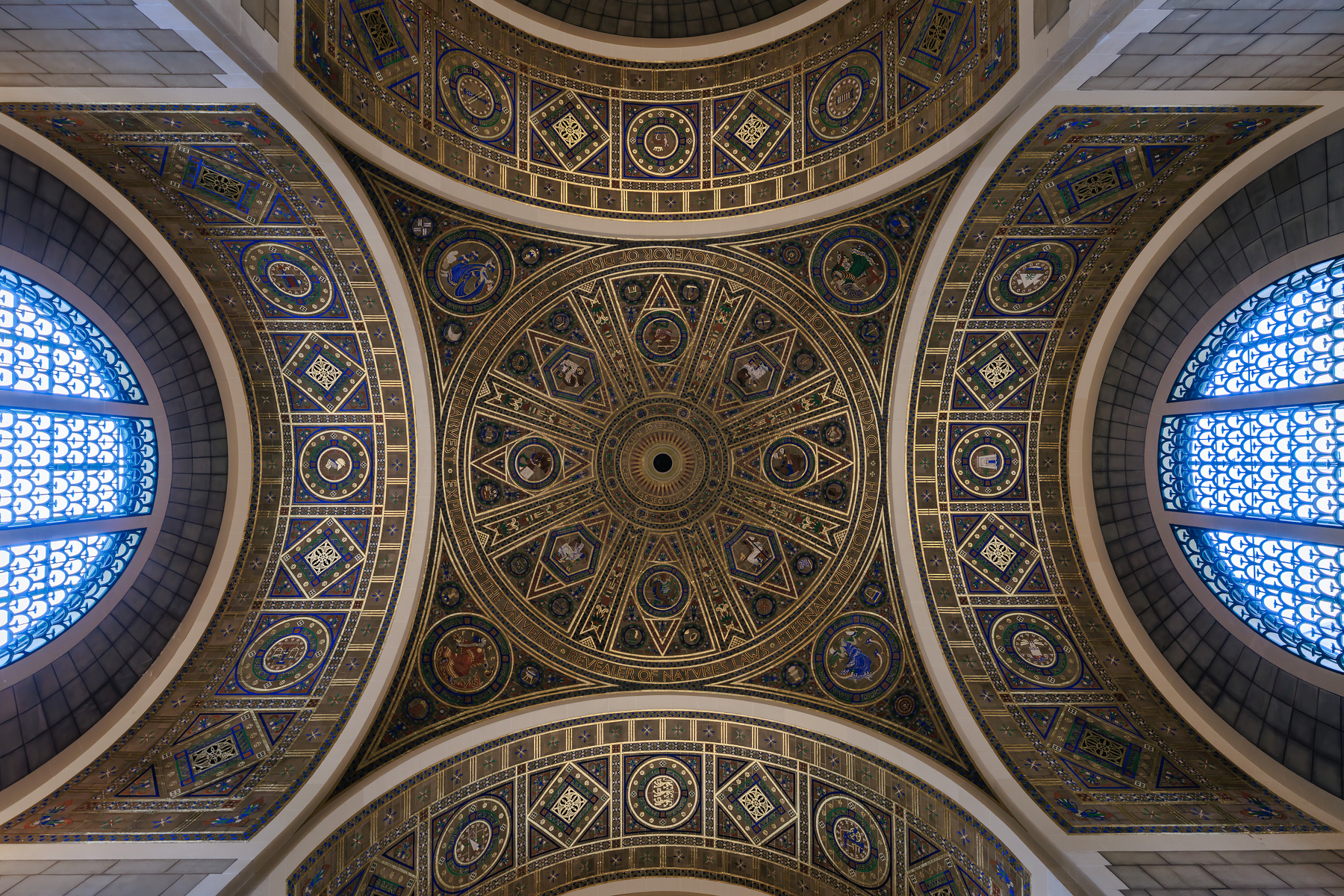
Temple to Science: The Great Hall Dome, National Academy of Sciences, Washington, DC, 2026
The centerpiece of the National Academy of Sciences building in Washington, D.C., the Great Hall was designed by the esteemed architect Bertram Grosvenor Goodhue and dedicated in April 1924. This stunning interior dome is the hall’s signature feature, intended to evoke the grandeur of a classical Byzantine cathedral repurposed for the exploration of the natural world.
The intricate art in the dome was executed by the artist Hildreth Meière using Guastavino structural tile, which provided both structural integrity and a shimmering surface for her intricate mosaics. The Great Hall and its dome function as a visual encyclopedia. At the center is the Sun, surrounded by astrological signs and figures representing the four classical elements. A significant detail is the bronze text encircling the dome, which reads: “TO SCIENCE, PILOT OF INDUSTRY, CONQUEROR OF DISEASE, MULTIPLIER OF THE HARVEST, EXPLORER OF THE UNIVERSE, REVEALER OF NATURE’S LAWS, ETERNAL GUIDE TO TRUTH.”
The smaller, blue stained-glass windows depicted in the image are designed to give the illusion of open sky, reinforcing the concept of the hall as an open-air observatory.
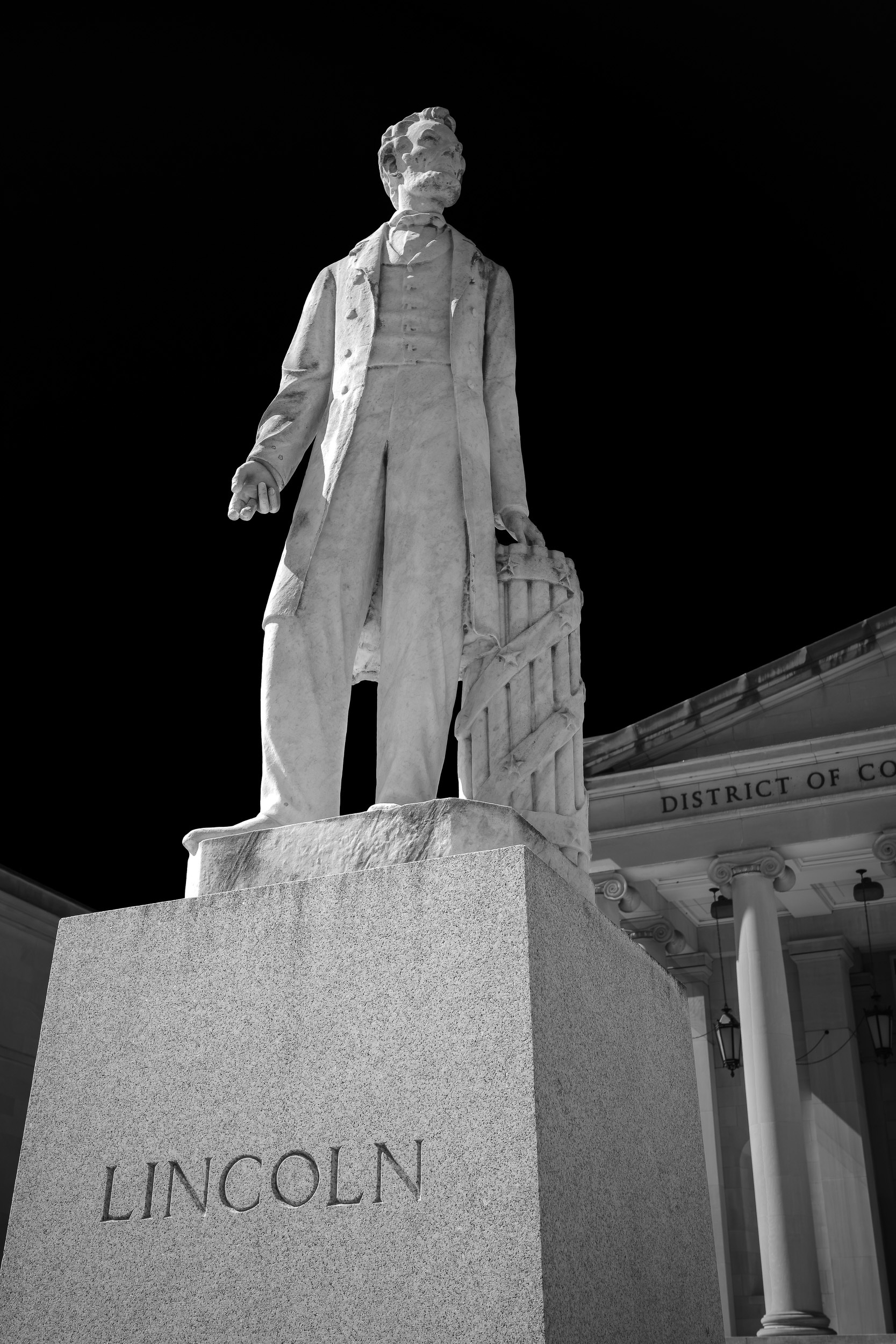
First in Union: The 1868 Lincoln Statue at Judiciary Square
Standing outside the Historic Courthouse (now the D.C. Court of Appeals) in Judiciary Square, this marble figure of Abraham Lincoln is the nation’s oldest extant public monument dedicated to the 16th president.
Unveiled on April 15, 1868—the third anniversary of Lincoln’s assassination—it predates Daniel Chester French’s famous seated statue at the Lincoln Memorial by 54 years. The sculptor, Irish-American artist Lot Flannery, had known Lincoln personally and was actually in the audience at Ford’s Theatre on the night of the shooting.
Flannery portrayed Lincoln in classic oratorical posture as a statesman and lawyer, his left hand resting on a fasces symbolizing the preservation of the Union. Originally erected on a high column to place the president safely above reach, it was moved to this lower granite pedestal in 1923 following courthouse expansions.
Flannery’s statue was funded largely by grassroots donations from local Washington citizens shortly after the assassination. It represents a city’s immediate, localized grief for a president they had seen walking their streets just years before.
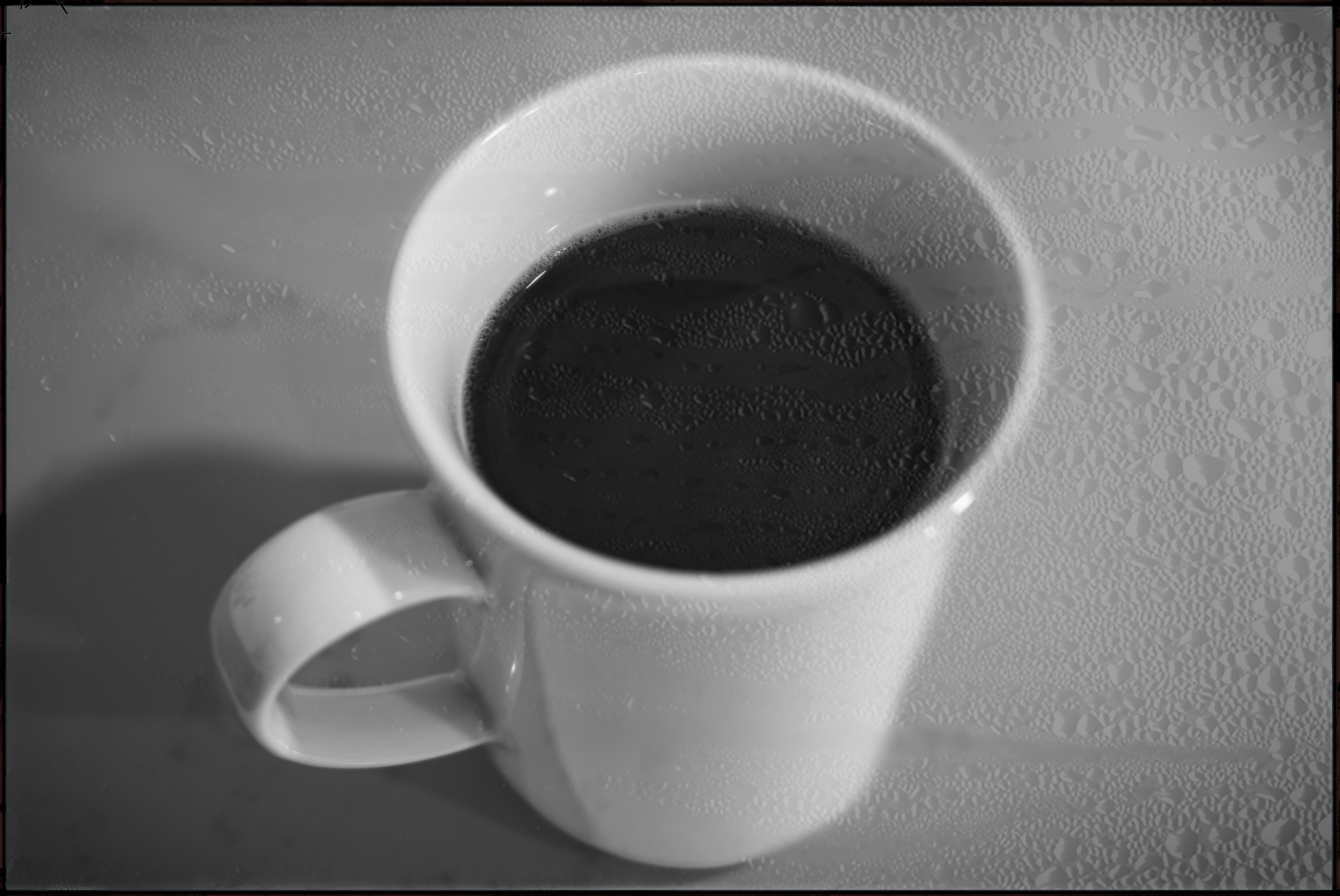
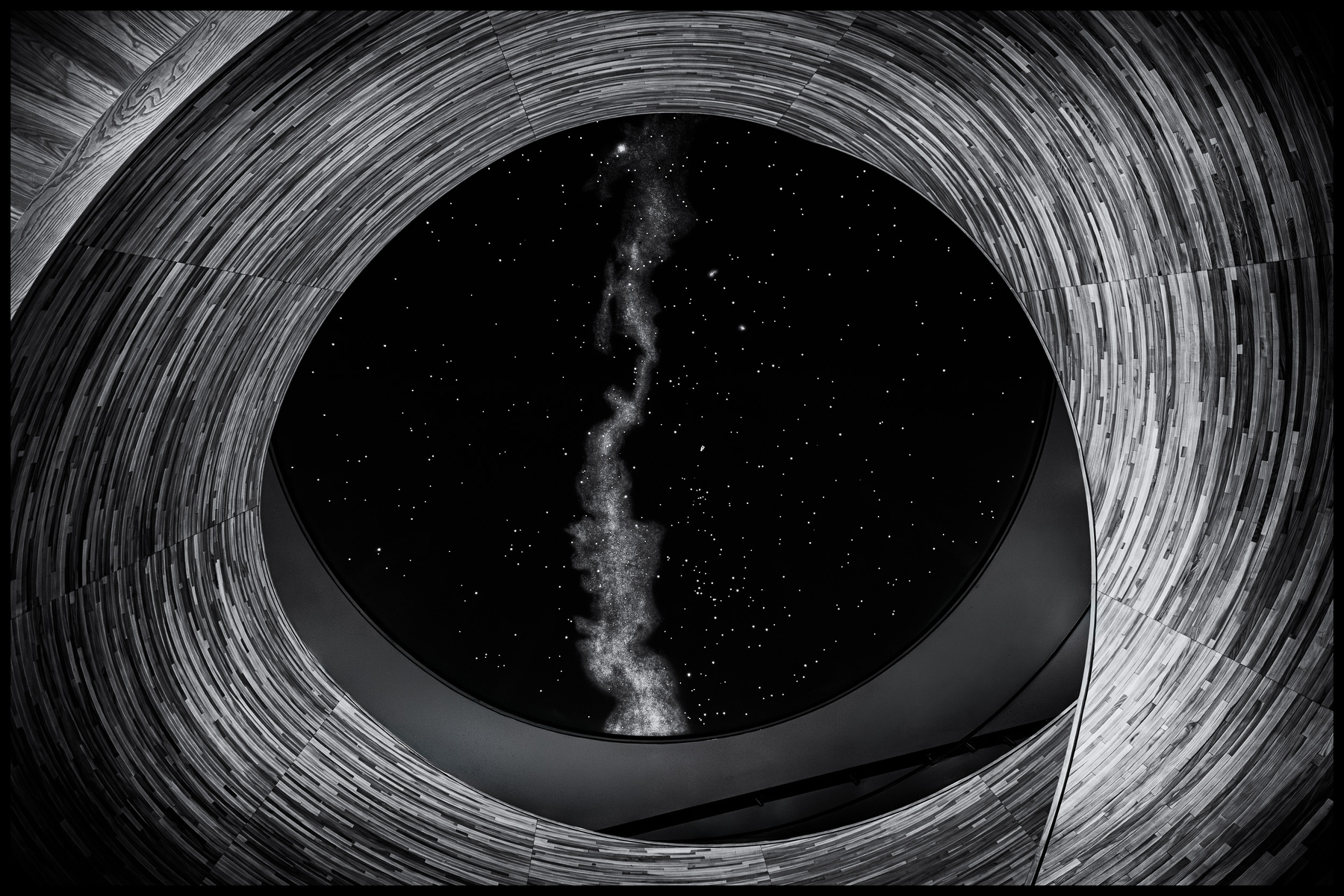
Window to the Cosmos
Looking up through the circular ceiling of the newly opened National Geographic Museum of Exploration in Washington, D.C.
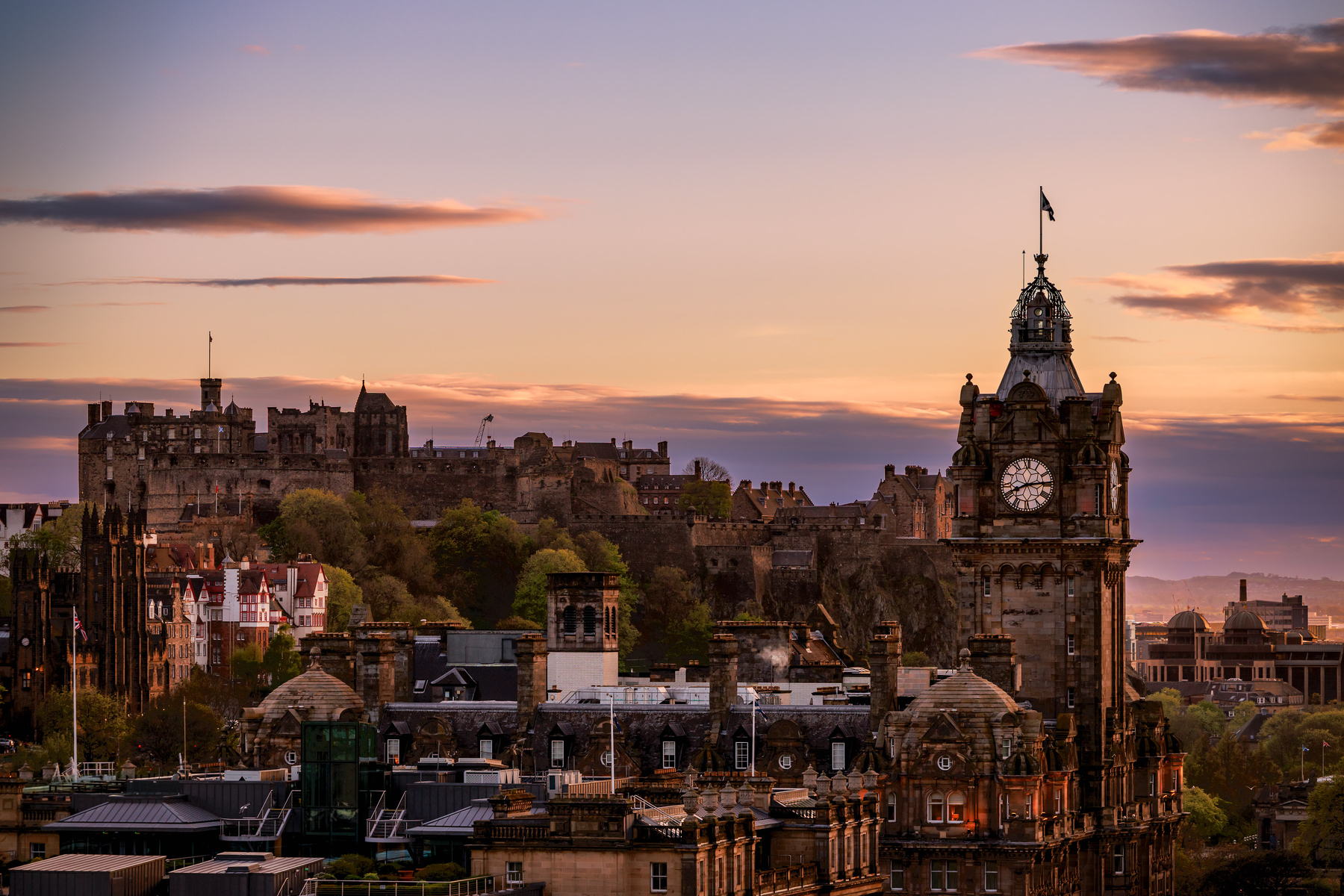
An Edinburgh Evening
Edinburgh Castle dominates the skyline above Scotland’s capital. This view from Calton Hill includes the clock tower of the Balmoral Hotel and the dense collection of Victorian and Georgian buildings that characterize central Edinburgh. Photographed at sunset in April 2026.
JungleDragon: Sharing Wildlife Photos
JungleDragon is a social wildlife community for fans of nature. It’s mission is to facilitate the creation of the largest resource of nature imagery on the planet. The site offers an engaging, social and friendly way to find and contribute images and other content.
The site was created by Ferdy Christant, a talented photographer. The site is free to use. I am a member and am enjoying it. If you’re interested you can follow me there.
Father Pitt: A Public-Domain Photo Treasure of Pittsburgh
If you’re interested in Pittsburgh, the blog Father Pitt offers a wide-ranging collection of photographs of my hometown.
The author remains anonymous, but the site is maintained with care and updated regularly. Each photo is accompanied by thoughtful descriptions, and the entire collection is released to the public domain under a CC0 dedication—making it both a visual resource and a gift to the community.
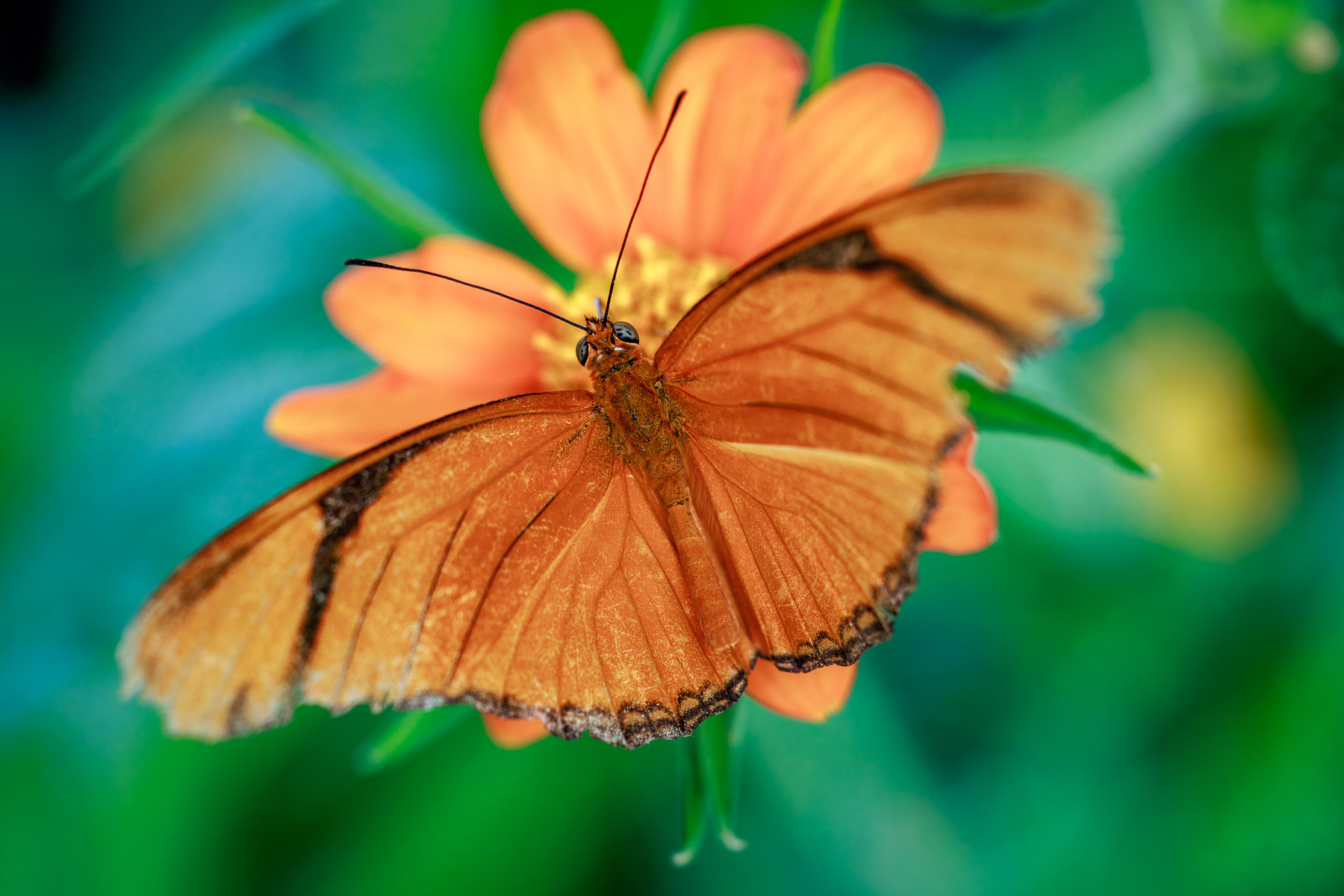
Julia Butterfly (Dryas iulia) — Butterfly Experience, Brookside Gardens, Wheaton, Maryland
A Julia Butterfly (Dryas iulia) feeds on a Mexican sunflower (Tithonia) at the Butterfly Experience, Brookside Gardens' South Conservatory, Wheaton, Maryland. One of the faster-flying butterflies in the exhibit, the Julia is common throughout Central and South America and is a frequent presence in butterfly house collections worldwide.
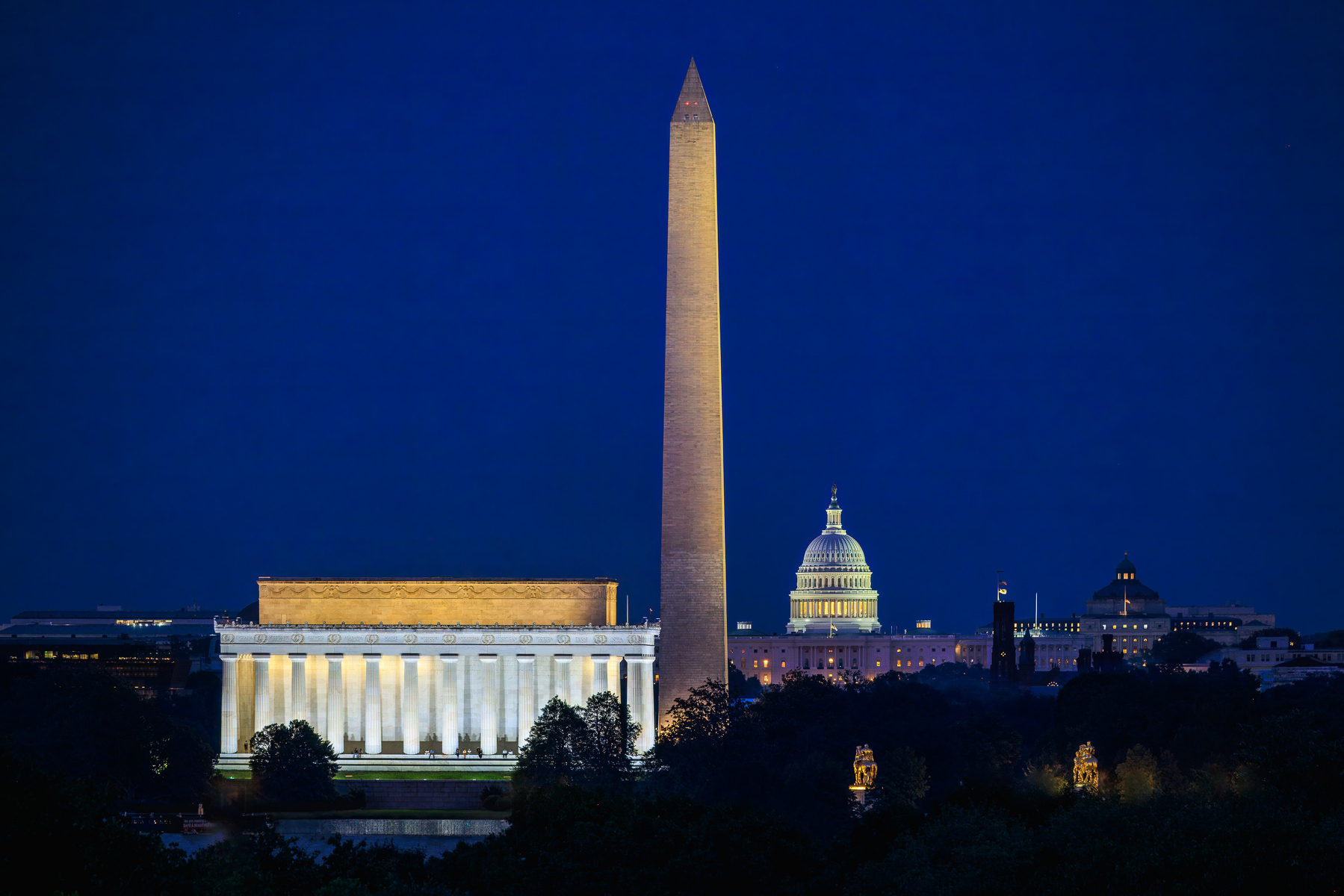
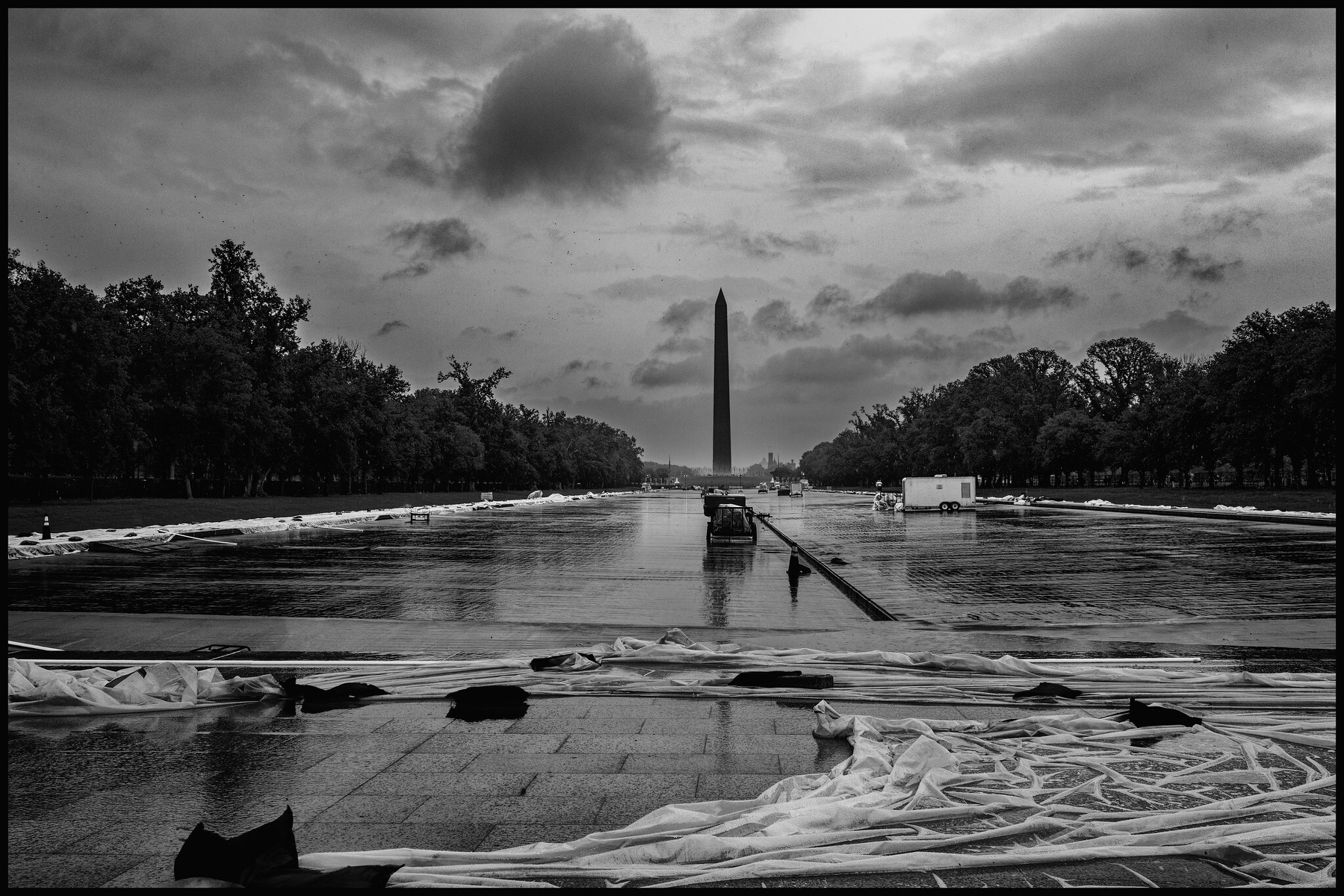
Resurfacing the Lincoln Memorial Reflecting Pool — Washington, D.C.
A rainy Memorial Day view looking east toward the Washington Monument across the drained Lincoln Memorial Reflecting Pool. As part of preparations for the nation’s 250th anniversary, the 6.75-million-gallon basin was emptied for repairs, leak mitigation, cleaning, and resurfacing. The project includes application of a new protective coating in a custom blue color that will replace the pool’s long-familiar gray floor. Tarps, equipment, and standing rainwater covered the site as work continued toward its planned reopening.
I enjoyed Ondřej Trojan’s “Under the City” photo essay for LFI. He beautifully captures the quiet, isolated, and deeply human moments shared by strangers in the Prague metro system.
“I want to capture moments of stillness, when people are forced to pause, even if only for a brief moment, during their busy day. This motif of calm amidst the bustle of the city is also one of my main themes beyond this public transport series.”
Scotland - 2026
I just posted a gallery of photos from my recent trip through Scotland, capturing everything from the historic streets to the Highlands.
You can view the full collection here: Scotland Photo Gallery.