
Pittsburgh
A Taste of Squirrel Hill in the Washington Area
I grew up eating Mineo’s pizza in Squirrel Hill, Pittsburgh. About once a week my father brought home a fresh pie—a real treat, and a legend at Taylor Allderdice.
The story behind it is pure Pittsburgh. Giovanni Mineo arrived from Sicily in 1954, the year before I was born, where he’d worked as a baker. Riding a streetcar down Murray Avenue one day, he spotted an empty storefront at 2130 Murray and claimed it. On September 13, 1958, he opened Mineo’s Pizza House in what was then a mostly Jewish neighborhood—and earned its loyalty, closing every year for the major Jewish holidays. These days, when I want a taste of home, I drive to Giuseppi’s Pizza Plus in Rockville. Walk in and the Steelers memorabilia covering the walls tells you everything.
Sue Feldman opened Giuseppi’s in 1990 with her sons Scott and Eric—all Pittsburgh natives. Scott grew up in Squirrel Hill too, and went to Allderdice like me. But here’s the twist: the recipe isn’t Mineo’s. It comes from Mineo’s old rival, Aiello’s.
Scott worked at Aiello’s as a teenager—a pizzeria Joe Aiello opened in 1978 after leaving Mineo’s himself. When Scott and his mother started Giuseppi’s, the Aiello family mentored them and passed along that same rich, herb-laced, slightly sweet sauce. It’s still what’s in the pies today.
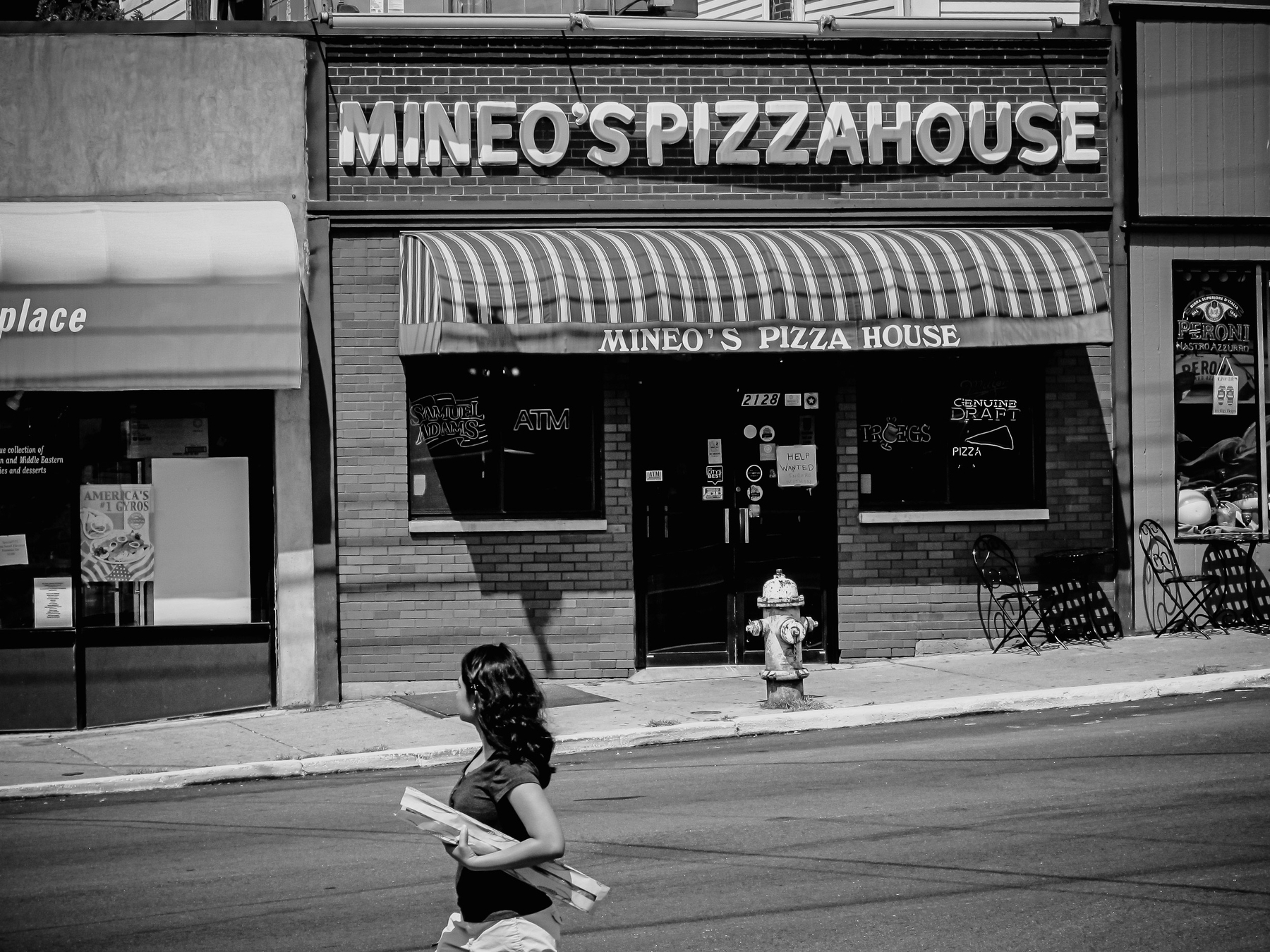
Father Pitt: A Public-Domain Photo Treasure of Pittsburgh
If you’re interested in Pittsburgh, the blog Father Pitt offers a wide-ranging collection of photographs of my hometown.
The author remains anonymous, but the site is maintained with care and updated regularly. Each photo is accompanied by thoughtful descriptions, and the entire collection is released to the public domain under a CC0 dedication—making it both a visual resource and a gift to the community.
The Fragile Survival of the Pittsburgh Post-Gazette
The 240-year-old Pittsburgh Post-Gazette has officially been saved from a scheduled shutdown, passing into the hands of the nonprofit Venetoulis Institute, according to the official announcement.
While the sale prevents total extinction, it underscores a harsh reality. Thirty-four years after the Pittsburgh Press ceased operations in 1992, the city was once again staring down the terrifying possibility of becoming a major American metropolitan area without a daily newspaper.
The immediate crisis has been averted, but the victory is bittersweet. The paper that survives is undeniably a diminished version of its former self—a quiet reminder of the fragile, shrinking state of local journalism.