Iona, Scotand
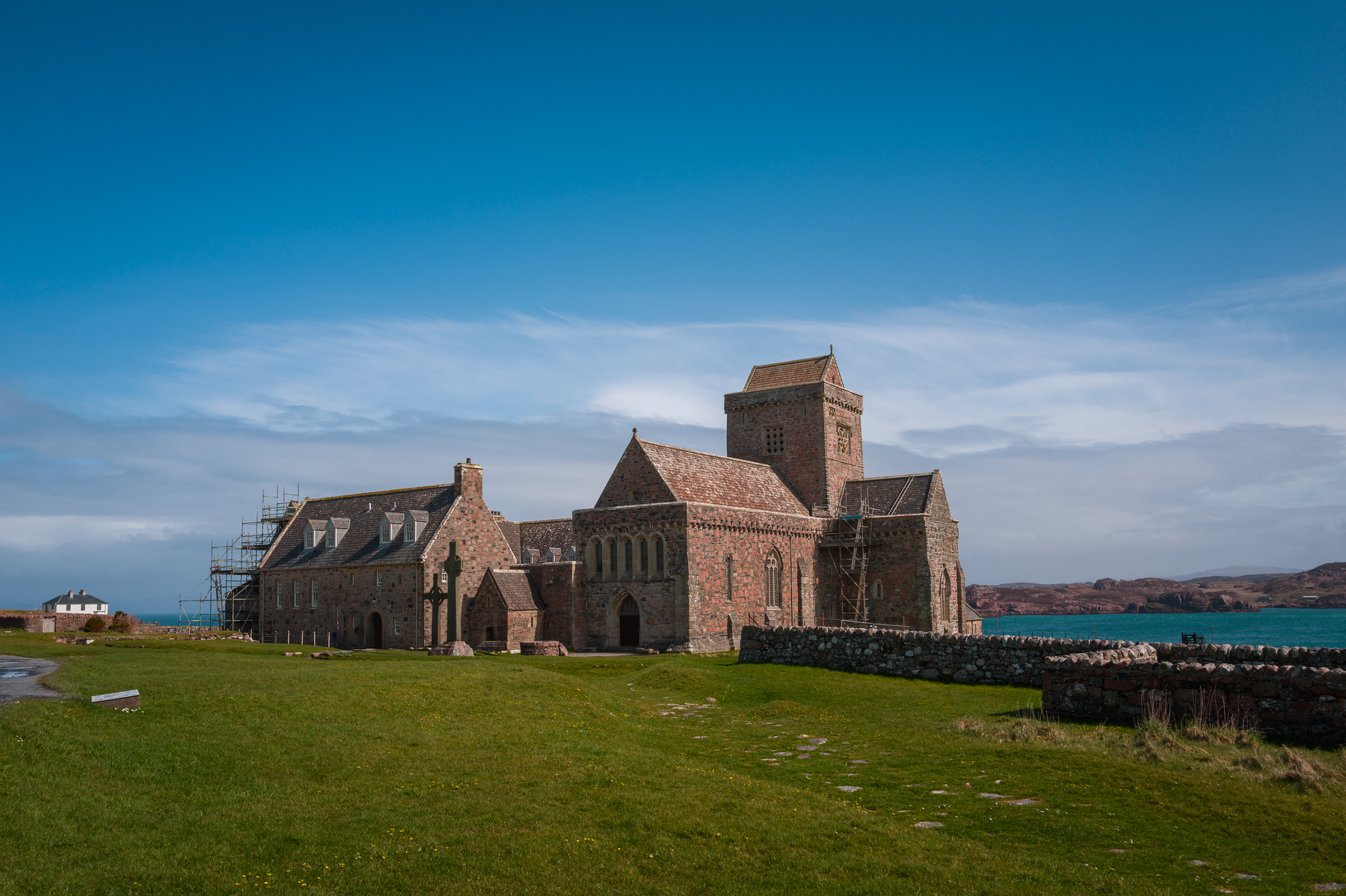
Iona Abbey stands on one of the most historically significant religious sites in the British Isles.
The abbey traces its origins to the year 563, when the Irish monk Saint Columba arrived on the island of Iona with a small group of followers. From this remote outpost, he established a monastery that became a major center of early Christianity in Scotland and northern England. Iona played a key role in the spread of Christianity among the Picts and Scots, and for centuries it was a place of learning, manuscript production, and missionary activity. The famous Book of Kells is believed to have originated here before being taken to Ireland during periods of Viking raids.
Despite its isolation, Iona’s location was deliberate. In the 6th century, remoteness offered both spiritual and practical advantages: separation from worldly life for monastic devotion, and a position on maritime routes that allowed monks to travel and spread their teachings across the western seaways.
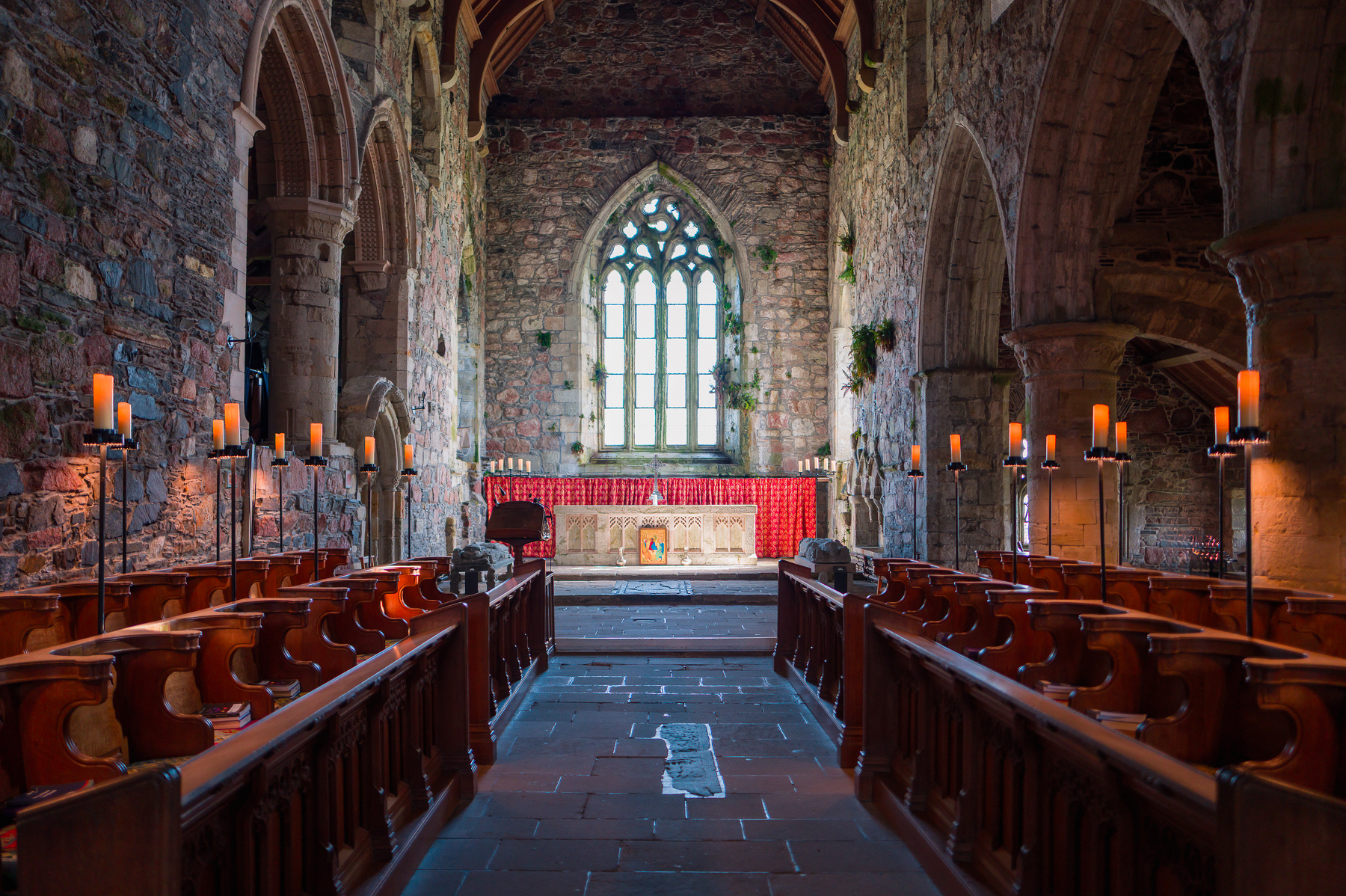
The original monastery declined after repeated Viking attacks beginning in the late 8th century, and the site later became part of a Benedictine abbey founded in the 12th century. Much of the present structure reflects medieval rebuilding and later restoration, particularly a major reconstruction in the early 20th century that returned the abbey to active religious use.
Today, Iona Abbey remains a place of worship and pilgrimage, symbolizing the enduring influence of early Celtic Christianity and its role in shaping Scottish religious and cultural identity.