History
- U.S. Holocaust Memorial Museum, including its Holocaust Encyclopedia
- Yad Vashem
- USC Shoah Foundation
- Arolsen Archives – International Center on Nazi Persecution
- The Wiener Holocaust Library
- Yale’s Fortunoff Video Archive for Holocaust Testimonies – more than 4,400 testimonies comprising 12,000 recorded hours of videotape
- From Numbers to Names – explore Holocaust photo and video archives through AI
- LastSeen Image Atlas – images of the Nazi deportations
- The World Society of Częstochowa Jews and Their Descendants
- Jewish Records Indexing – Poland – safeguards the evidence of the 1,000-year Jewish presence in current and former Polish territories
- Yom Hashoah, designated by Israel, marking the anniversary of the Warsaw Ghetto uprising
- International Holocaust Remembrance Day, designated by the United Nations, marking the liberation of Auschwitz
- Timeline of Events – U.S. Holocaust Memorial Museum
- Timeline – Yad Vashem
- Timeline of the Holocaust: 1933–1945 – Museum of Tolerance
- Events in the History of the Holocaust – The Wiener Holocaust Library
- The Rise and Fall of the Third Reich: A History of Nazi Germany by William Shirer
- Nazi Germany and the Jews, Volume 1: The Years of Persecution, 1933–1939 by Saul Friedländer
- Nazi Germany and the Jews, Volume 2: The Years of Extermination, 1939–1945 by Saul Friedländer
- KL: A History of the Nazi Concentration Camps by Nikolaus Wachsmann
- The Holocaust: An Unfinished History by Dan Stone – reviewed in the New York Times
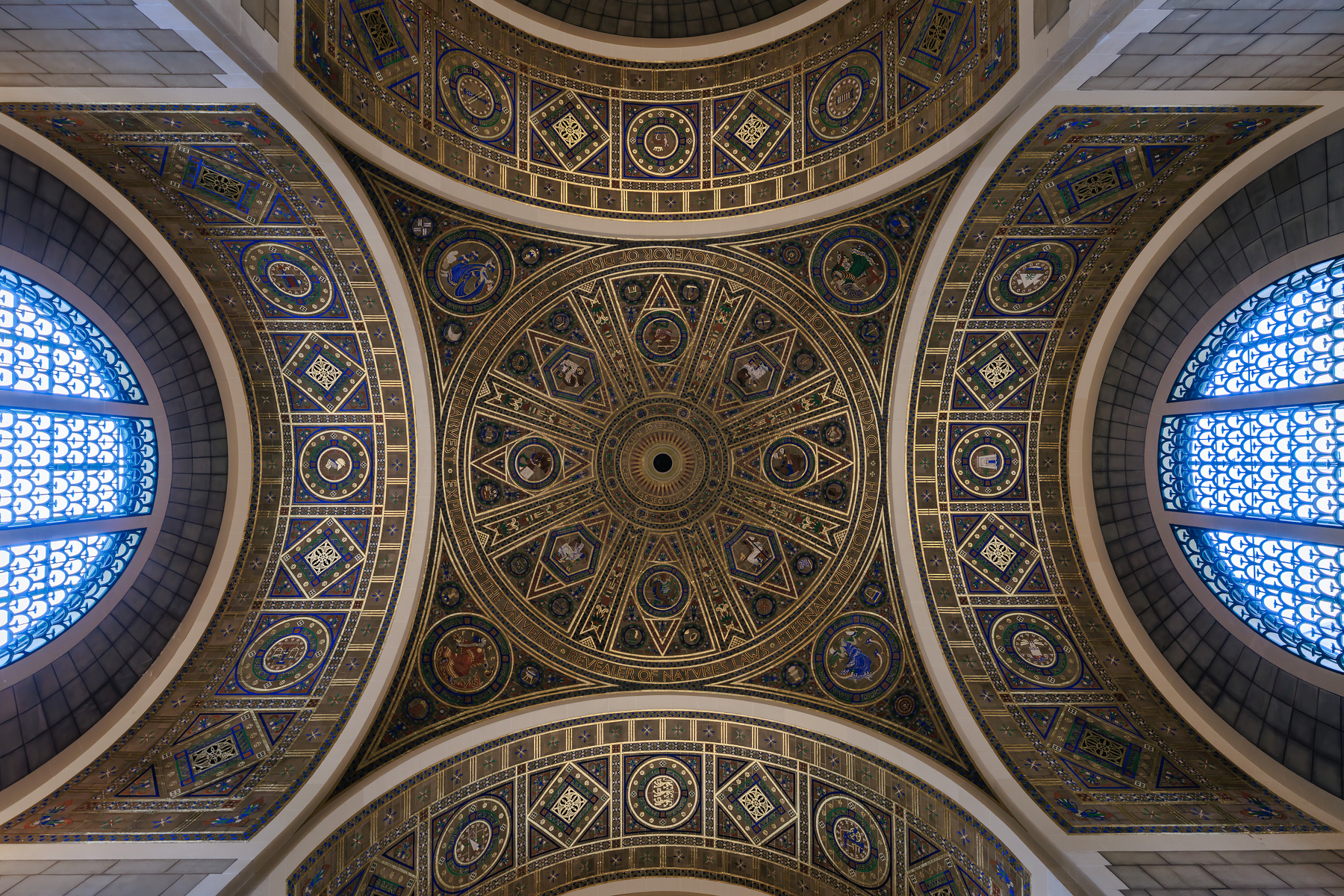
Temple to Science: The Great Hall Dome, National Academy of Sciences, Washington, DC, 2026
The centerpiece of the National Academy of Sciences building in Washington, D.C., the Great Hall was designed by the esteemed architect Bertram Grosvenor Goodhue and dedicated in April 1924. This stunning interior dome is the hall’s signature feature, intended to evoke the grandeur of a classical Byzantine cathedral repurposed for the exploration of the natural world.
The intricate art in the dome was executed by the artist Hildreth Meière using Guastavino structural tile, which provided both structural integrity and a shimmering surface for her intricate mosaics. The Great Hall and its dome function as a visual encyclopedia. At the center is the Sun, surrounded by astrological signs and figures representing the four classical elements. A significant detail is the bronze text encircling the dome, which reads: “TO SCIENCE, PILOT OF INDUSTRY, CONQUEROR OF DISEASE, MULTIPLIER OF THE HARVEST, EXPLORER OF THE UNIVERSE, REVEALER OF NATURE’S LAWS, ETERNAL GUIDE TO TRUTH.”
The smaller, blue stained-glass windows depicted in the image are designed to give the illusion of open sky, reinforcing the concept of the hall as an open-air observatory.
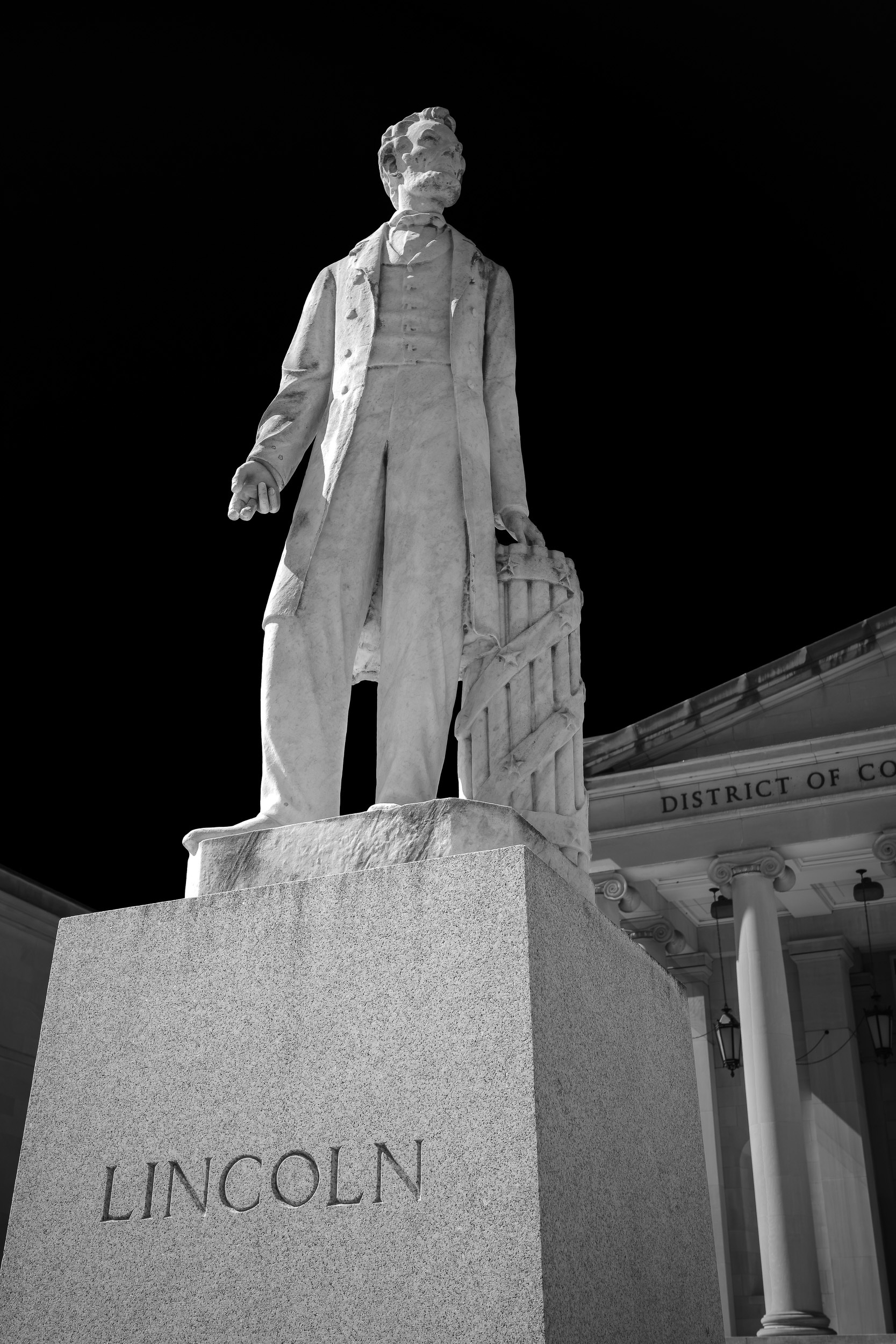
First in Union: The 1868 Lincoln Statue at Judiciary Square
Standing outside the Historic Courthouse (now the D.C. Court of Appeals) in Judiciary Square, this marble figure of Abraham Lincoln is the nation’s oldest extant public monument dedicated to the 16th president.
Unveiled on April 15, 1868—the third anniversary of Lincoln’s assassination—it predates Daniel Chester French’s famous seated statue at the Lincoln Memorial by 54 years. The sculptor, Irish-American artist Lot Flannery, had known Lincoln personally and was actually in the audience at Ford’s Theatre on the night of the shooting.
Flannery portrayed Lincoln in classic oratorical posture as a statesman and lawyer, his left hand resting on a fasces symbolizing the preservation of the Union. Originally erected on a high column to place the president safely above reach, it was moved to this lower granite pedestal in 1923 following courthouse expansions.
Flannery’s statue was funded largely by grassroots donations from local Washington citizens shortly after the assassination. It represents a city’s immediate, localized grief for a president they had seen walking their streets just years before.
A Reference Guide to Holocaust Resources
I put this list together for myself over the years, as a place to keep track of the archives, timelines, and books I trust most. As the child of Holocaust survivors, I’ve spent a lot of time looking for source material I can rely on, and I’m sharing it here in case it’s useful to someone else doing the same.
As the United States Holocaust Memorial Museum explains, the Holocaust was the systematic, state-sponsored murder of approximately six million Jews by Nazi Germany and its collaborators. The Nazis, who took power in Germany in January 1933, considered Jews a racial threat to be eliminated. In 1933, Europe’s Jewish population stood at over nine million; by 1945, nearly two out of every three European Jews had been killed. Other victims of Nazi persecution included an estimated 200,000 Roma, and at least 200,000 disabled patients murdered under the Nazi euthanasia program.
Curated Holocaust Archives & Libraries
Holocaust Remembrance Days
Timelines
Books
Last updated: June 16, 2026
Father Pitt: A Public-Domain Photo Treasure of Pittsburgh
If you’re interested in Pittsburgh, the blog Father Pitt offers a wide-ranging collection of photographs of my hometown.
The author remains anonymous, but the site is maintained with care and updated regularly. Each photo is accompanied by thoughtful descriptions, and the entire collection is released to the public domain under a CC0 dedication—making it both a visual resource and a gift to the community.
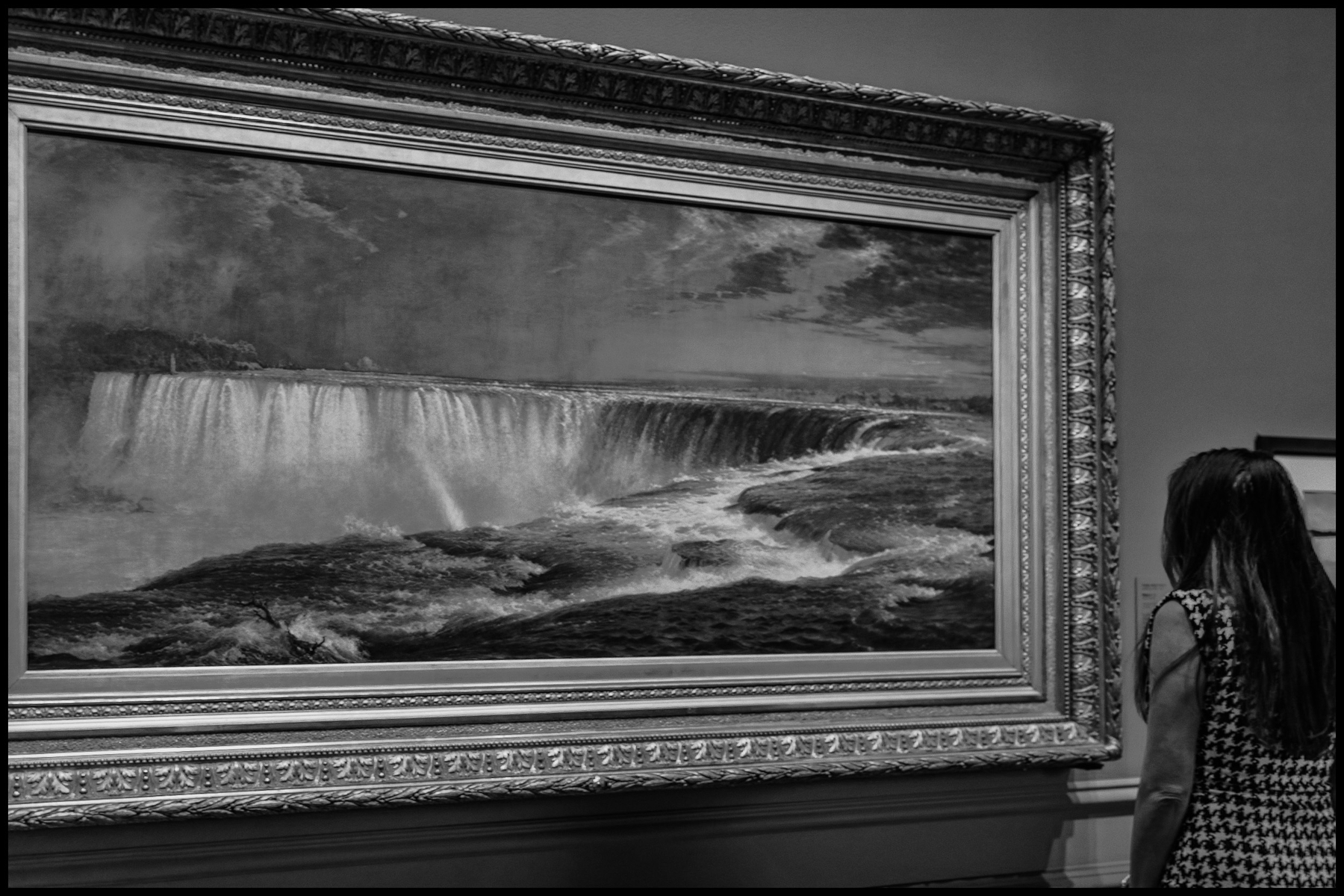
Viewing Niagra, National Gallery of Art, Washington, DC
A visitor stands before Frederic Edwin Church’s Niagara (1857) at the National Gallery of Art in Washington, D.C. When the painting debuted, audiences were stunned by its scale and sense of immediacy. Long before large-format photography, cinema, or digital media, Church created an experience that seemed to place viewers at the edge of the falls themselves. The exhibition traces how artists have interpreted Niagara over the last two centuries, from romantic spectacle to cultural symbol.
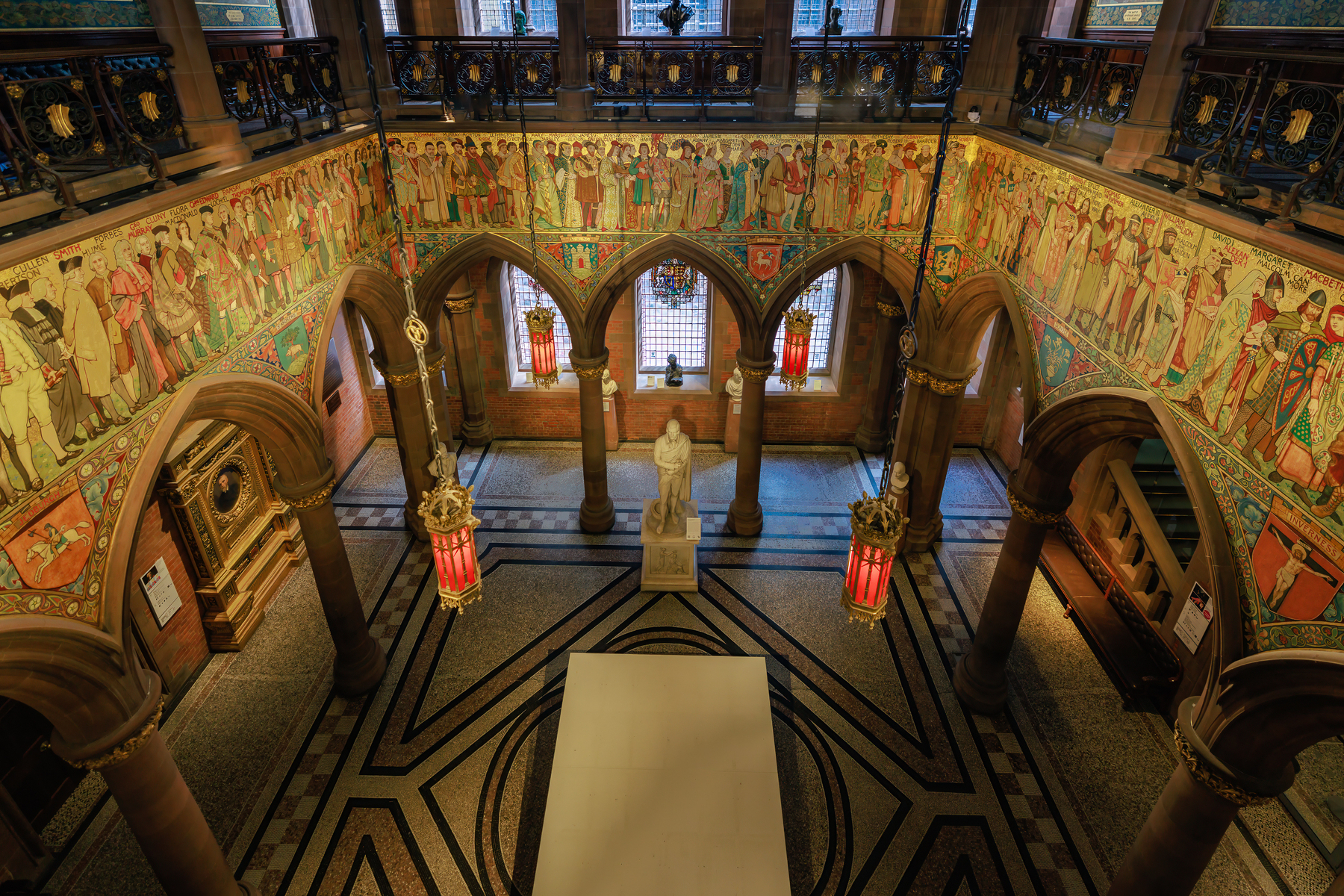
The Procession of Scotland: The Great Hall
The Great Hall of the Scottish National Portrait Gallery, opened in 1889 and designed by architect Sir Robert Rowand Anderson, was conceived as a “shrine” to Scotland’s national history. At its center stands a statue of the historian Thomas Carlyle, surrounded by Gothic arches, stained glass, and richly decorated surfaces.
Encircling the upper walls is a continuous processional frieze painted between 1897 and 1901 by the artist William Brassey Hole. The mural depicts 155 figures from Scottish history, arranged in reverse chronological order—beginning with Carlyle himself and moving back through monarchs, thinkers, and cultural figures to the nation’s prehistoric inhabitants. Each figure is labeled and dressed according to their period, forming a visual narrative of Scotland across time.
Executed in a spirit fresco technique, the frieze was part of the original decorative scheme funded by the gallery’s founder, John Ritchie Findlay. It reflects a late Victorian ambition to present national identity through art, assembling a collective portrait of Scotland within a single, immersive architectural space.
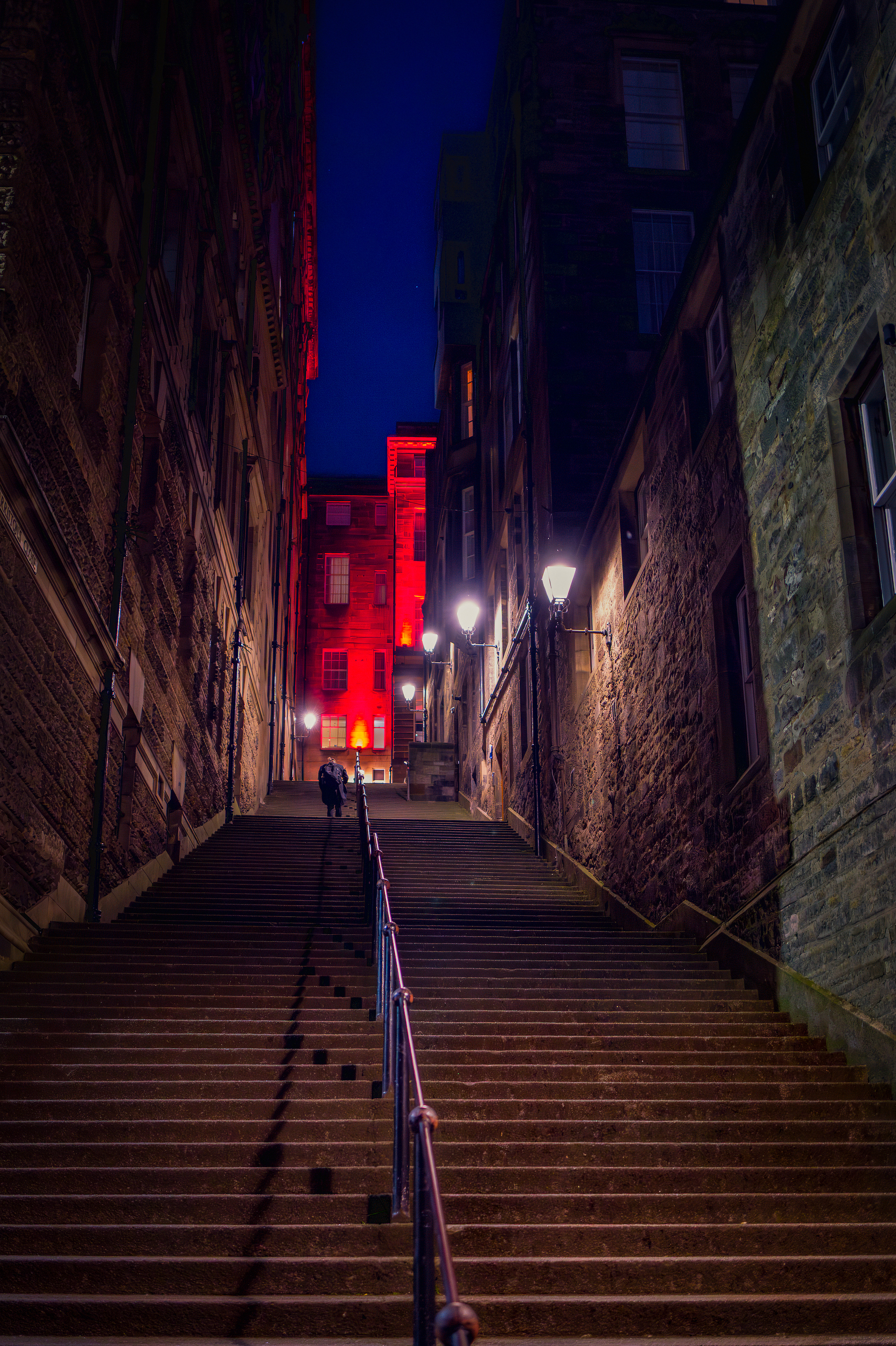
The Crimson Ascent
A solitary figure climbs the steep steps of Warriston’s Close, one of the historic “arteries” of Edinburgh’s Old Town. Named for the 17th-century Scottish lawyer and statesman Sir Archibald Johnston, Lord Warriston, this narrow passage has seen centuries of legal and political intrigue. Today, the ancient stone walls—some of the tallest of their era—serve as a dark canvas for the modern city’s vibrant night light, bridging the gap between Scotland’s storied past and its electric present.
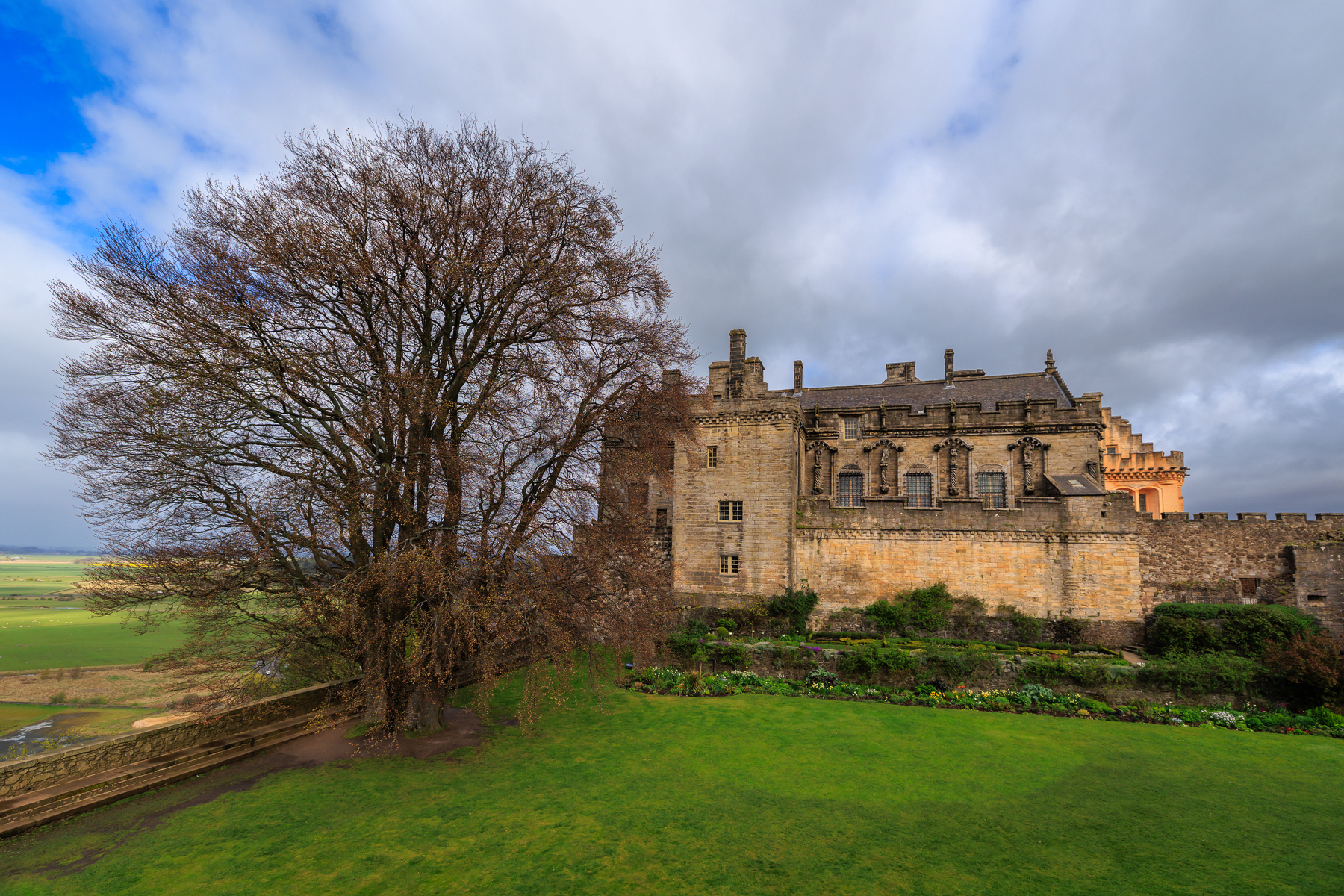
Stirling Castle: The Gateway to the Highlands
Stirling Castle rises above the surrounding countryside, positioned at one of the most strategically important locations in Scotland. Perched on a volcanic crag, it overlooks the River Forth and the natural route between the Highlands and the Lowlands.
For centuries, control of Stirling meant control of Scotland. The castle played a central role during the Wars of Scottish Independence, including the nearby battles of Stirling Bridge (1297), where William Wallace defeated English forces, and Bannockburn (1314), where Robert the Bruce secured a decisive Scottish victory.
The castle later became a favored royal residence, particularly under the Stewart kings. Mary, Queen of Scots was crowned here in 1543 as an infant, and much of the present structure reflects Renaissance influences from that period.
Today, Stirling Castle stands not only as a fortress, but as a symbol of Scotland’s long struggle for independence and identity—set against a landscape that still conveys its strategic importance.
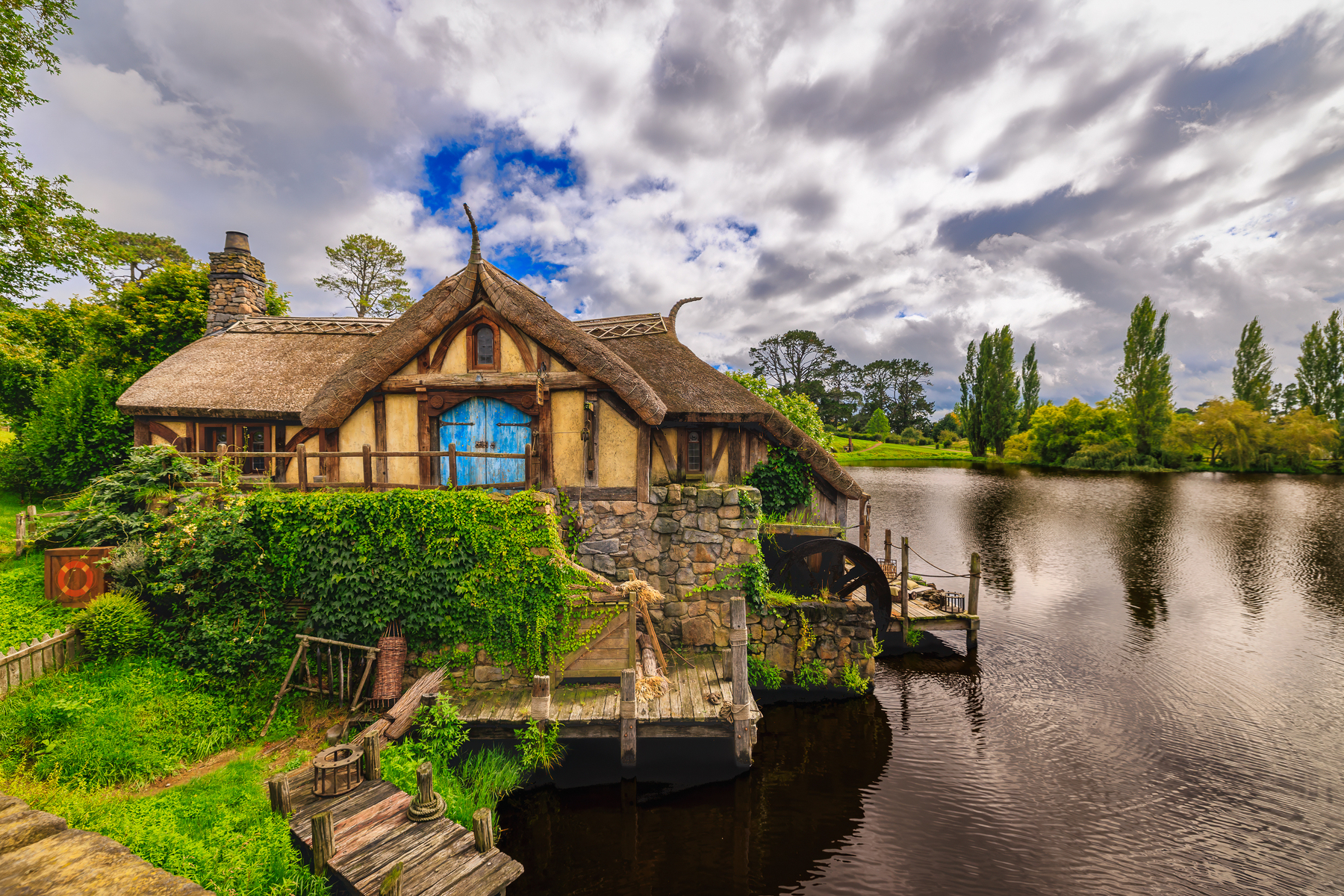
The Mill at Hobbiton — Where Fiction Took Root
I made this photograph at the Hobbiton Movie Set in the rural Waikato region. What began as a temporary film set for The Lord of the Rings was rebuilt permanently after the global success of the films and later expanded for The Hobbit.
The mill and waterwheel were constructed to give depth and movement to the fictional village of the Shire. Today, they stand not as relics of cinema, but as part of New Zealand’s cultural and economic landscape. The films profoundly shaped international perceptions of the country, linking its rolling farmland and dramatic scenery to Middle-earth in the global imagination.
Hobbiton is undeniably curated — every blade of grass feels intentional — yet it sits within authentic pastoral countryside. It is a place where fiction and landscape intersect, and where storytelling has left a permanent mark on the land.