Posts in "Photography"

Iona, Scotand

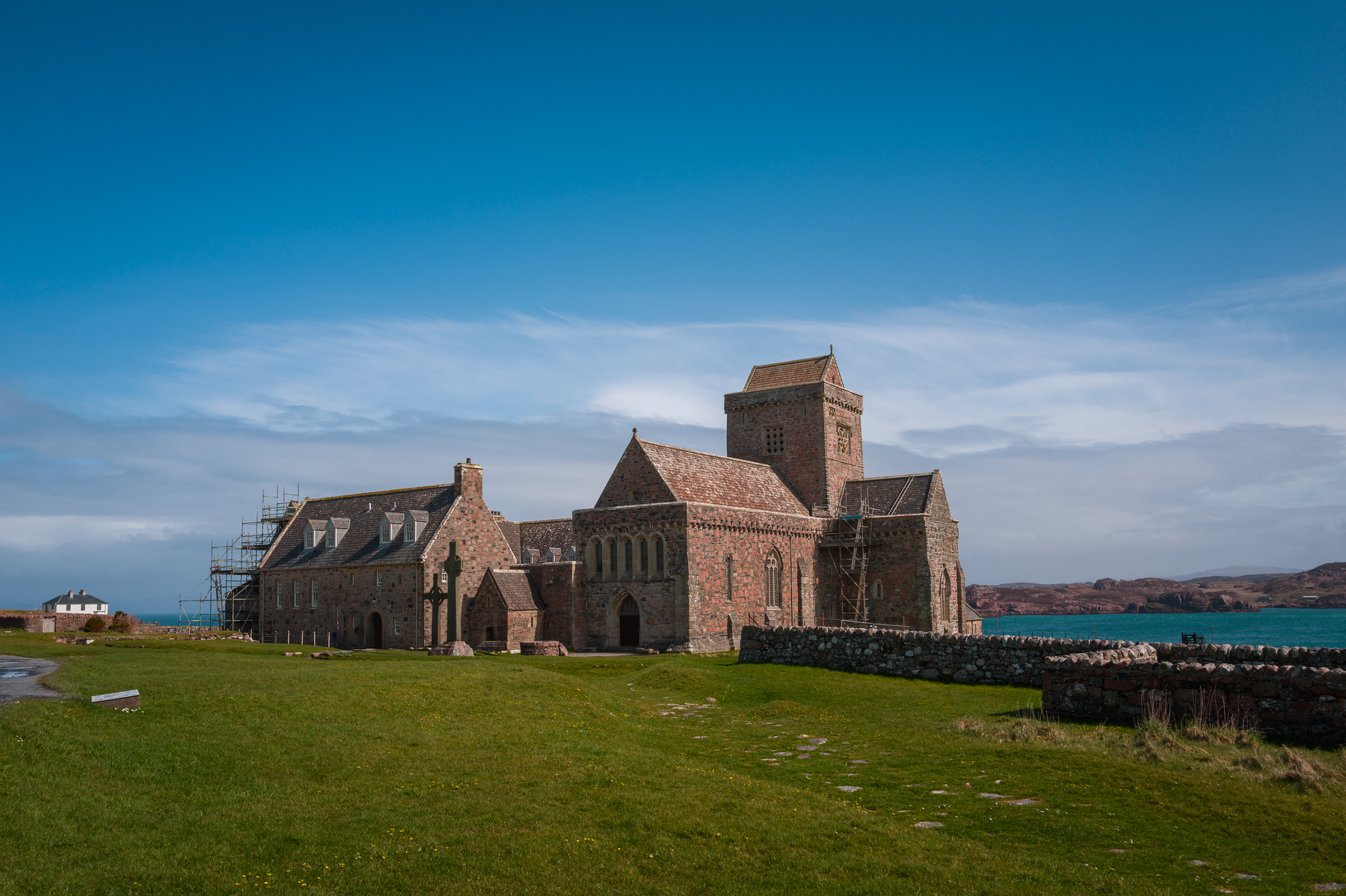
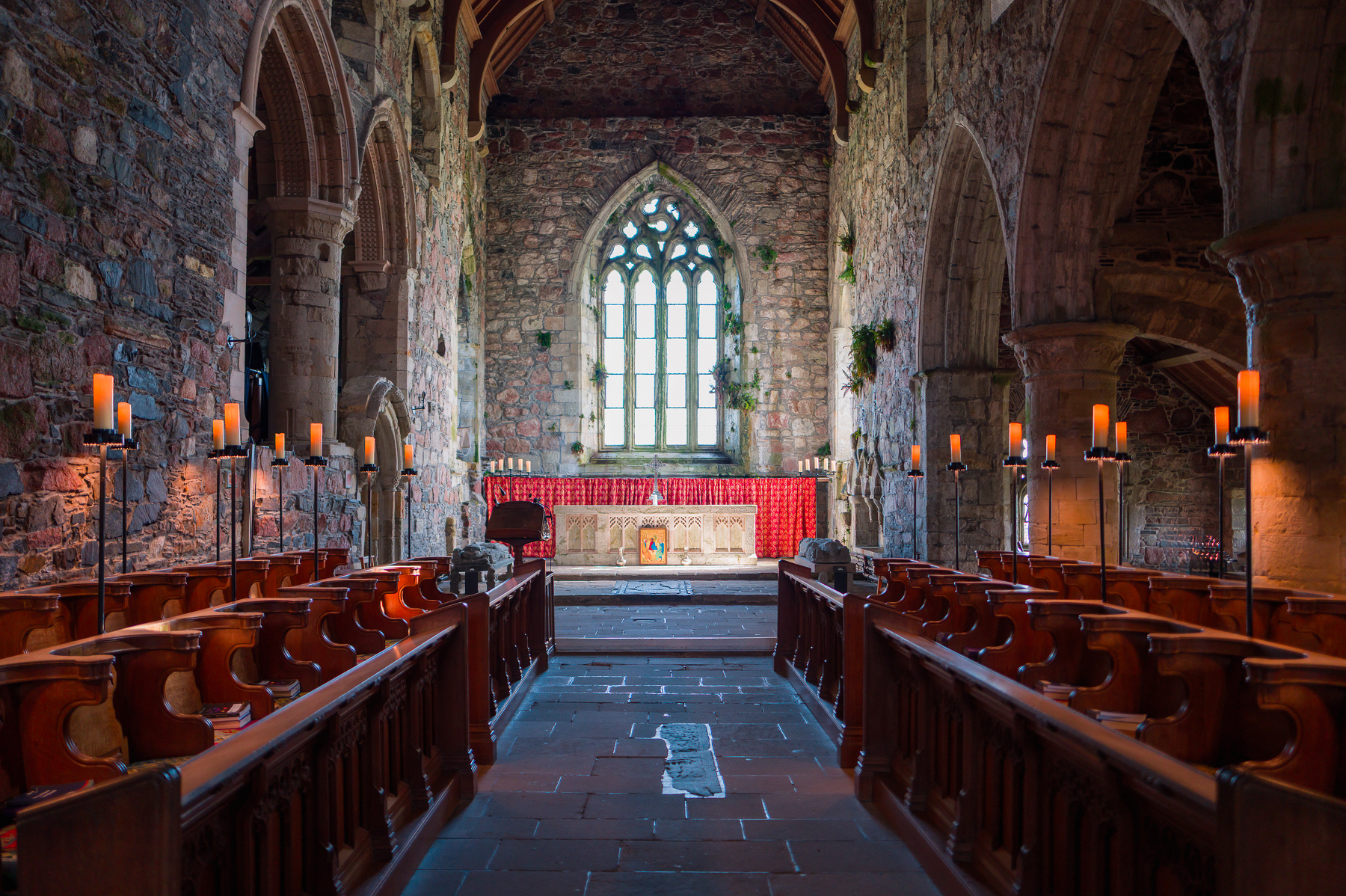
Iona Abbey stands on one of the most historically significant religious sites in the British Isles.

The abbey traces its origins to the year 563, when the Irish monk Saint Columba arrived on the island of Iona with a small group of followers. From this remote outpost, he established a monastery that became a major center of early Christianity in Scotland and northern England. Iona played a key role in the spread of Christianity among the Picts and Scots, and for centuries it was a place of learning, manuscript production, and missionary activity. The famous Book of Kells is believed to have originated here before being taken to Ireland during periods of Viking raids.

Despite its isolation, Iona’s location was deliberate. In the 6th century, remoteness offered both spiritual and practical advantages: separation from worldly life for monastic devotion, and a position on maritime routes that allowed monks to travel and spread their teachings across the western seaways.

The original monastery declined after repeated Viking attacks beginning in the late 8th century, and the site later became part of a Benedictine abbey founded in the 12th century. Much of the present structure reflects medieval rebuilding and later restoration, particularly a major reconstruction in the early 20th century that returned the abbey to active religious use.

Today, Iona Abbey remains a place of worship and pilgrimage, symbolizing the enduring influence of early Celtic Christianity and its role in shaping Scottish religious and cultural identity.
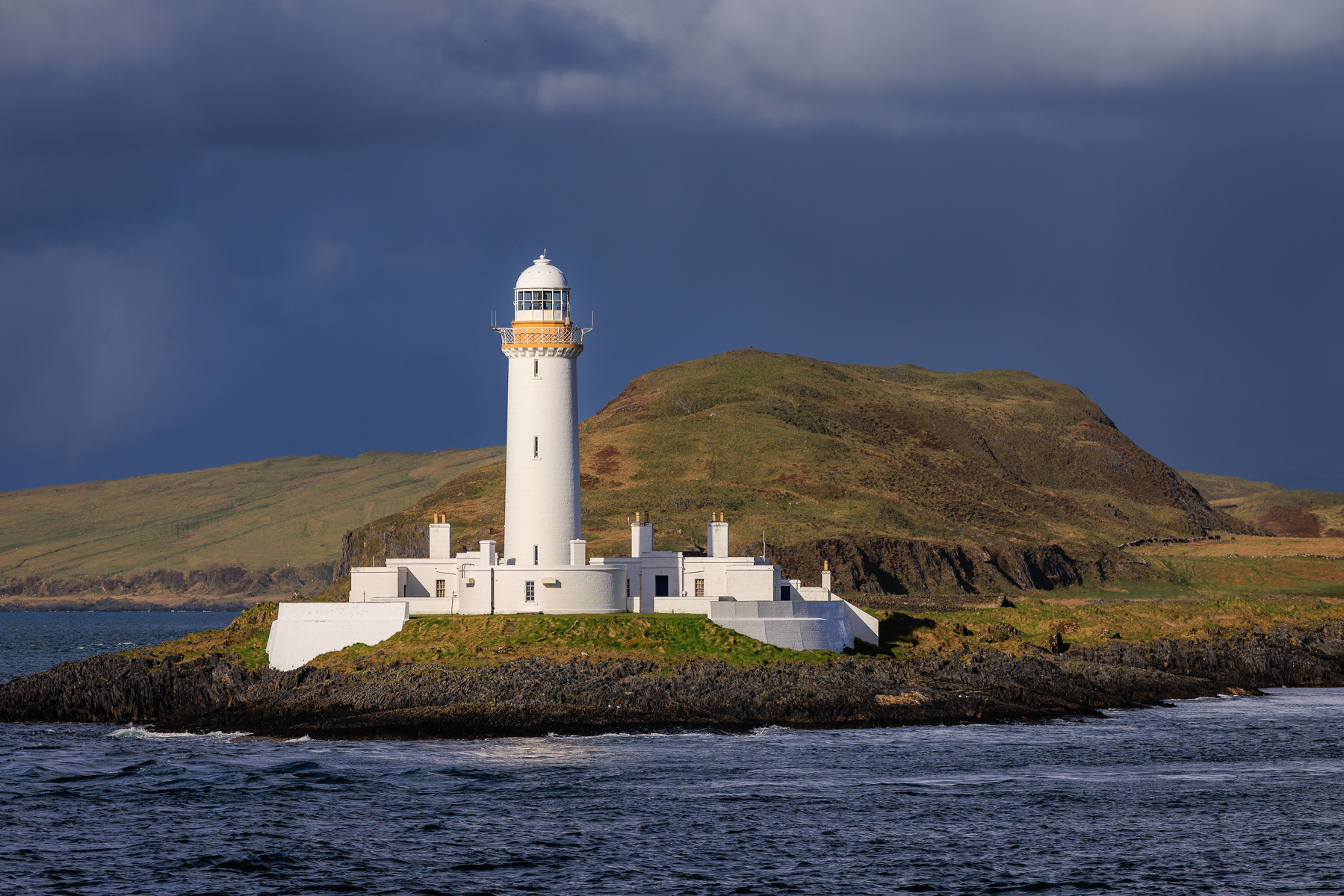
The Sentinel of Eilean Musdile

Standing at the southwestern entrance to the Sound of Mull, the Lismore Lighthouse (also known as Eilean Musdile) serves as a vital guardian for mariners navigating the Firth of Lorn toward the Inner Hebrides. This historic structure was designed and built in 1833 by the renowned civil engineer Robert Stevenson. A titan of Scottish engineering, Stevenson was the patriarch of a “lighthouse dynasty” and the grandfather of the celebrated author Robert Louis Stevenson. For nearly two centuries, his design has withstood the volatile Atlantic weather of the Argyll coast, remains a testament to the enduring legacy of the Stevenson engineers.

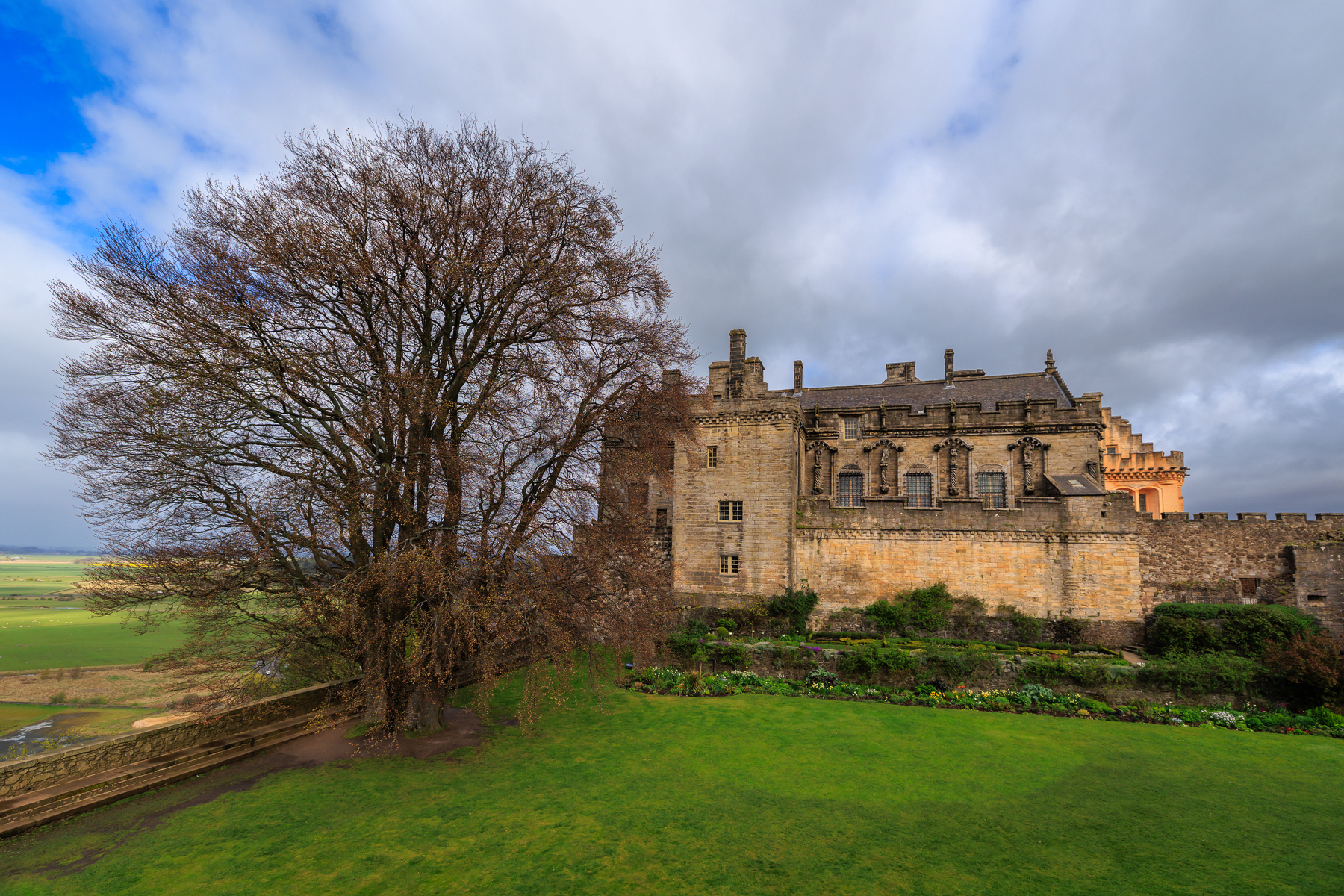
Stirling Castle: The Gateway to the Highlands

Stirling Castle rises above the surrounding countryside, positioned at one of the most strategically important locations in Scotland. Perched on a volcanic crag, it overlooks the River Forth and the natural route between the Highlands and the Lowlands.

For centuries, control of Stirling meant control of Scotland. The castle played a central role during the Wars of Scottish Independence, including the nearby battles of Stirling Bridge (1297), where William Wallace defeated English forces, and Bannockburn (1314), where Robert the Bruce secured a decisive Scottish victory.

The castle later became a favored royal residence, particularly under the Stewart kings. Mary, Queen of Scots was crowned here in 1543 as an infant, and much of the present structure reflects Renaissance influences from that period.

Today, Stirling Castle stands not only as a fortress, but as a symbol of Scotland’s long struggle for independence and identity—set against a landscape that still conveys its strategic importance.

The Jewish Enclosure – Glasgow Necropolis

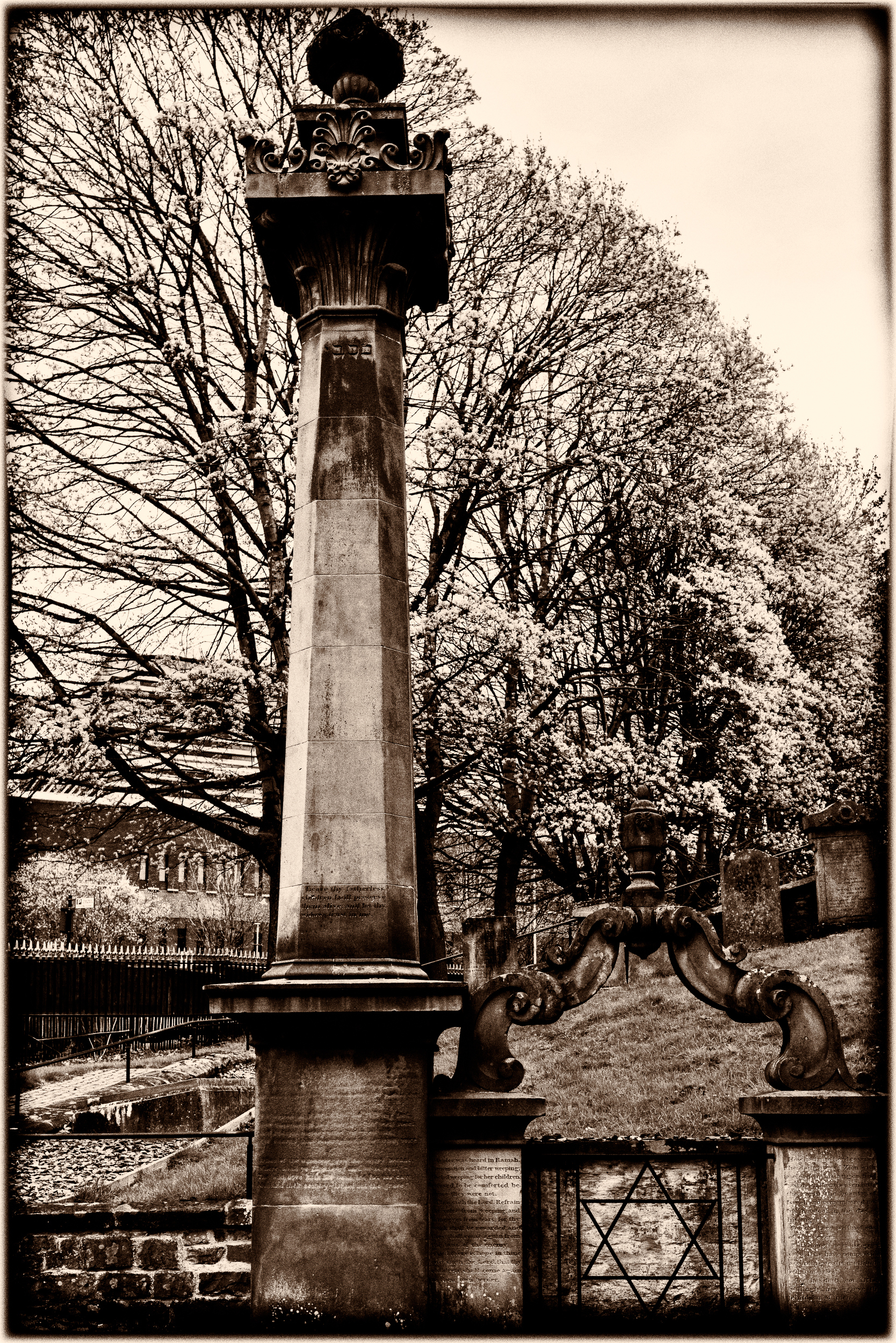
When traveling, I make it a point to seek out places of Jewish interest, and this quiet corner of Scotland holds a remarkable piece of history. This is the Jewish Enclosure at the Glasgow Necropolis. Acquired by the Jewish community in 1832, this small, walled section actually predates the official opening of the main Necropolis and served as the city’s first Jewish communal burial ground.

It contains 57 burials that took place over a brief period from 1832 until 1855. Because Jewish religious law forbids the burial of more than one person in a single grave, the small plot of land reached its capacity very quickly. As a result, it has not been in use since the 1850s. The prominent stone column, designed by architect John Bryce and modeled after Absalom’s Pillar in Jerusalem, stands watch over the ornate wrought-iron Star of David at the entrance.

Glasgow Mural

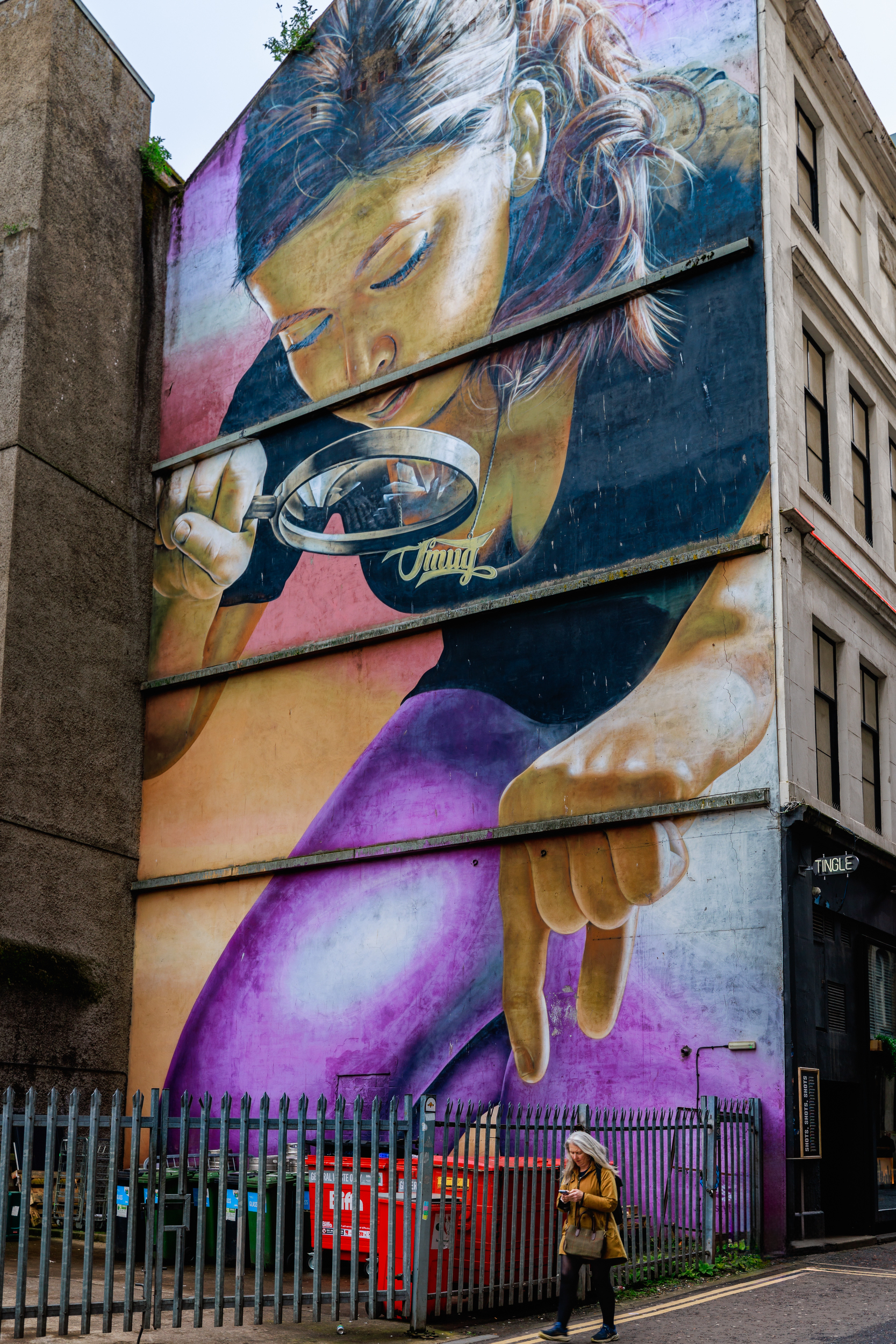
Mural by Smug (Sam Bates), a Glasgow-based artist born in Australia. One of several large works animating the city’s central streets.